Category: Good to Know
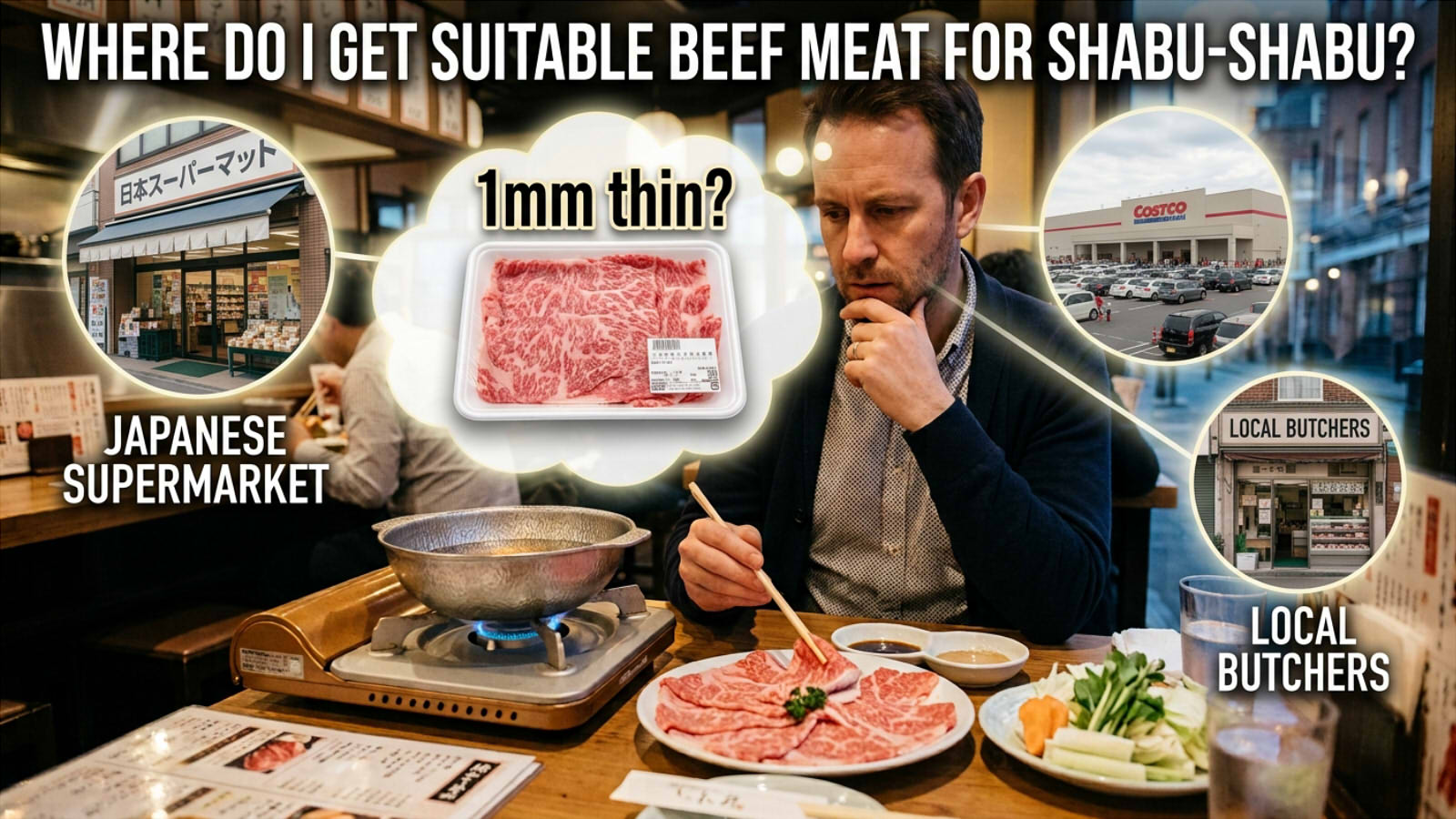
Mastering Shabu-Shabu Meat Sourcing: Global Sourcing, Local Alternatives, and the Beef Grading Map
The single biggest factor determining whether your home Shabu-Shabu (しゃぶしゃぶ) succeeds or fails isn’t the broth—it’s the thickness, cut, and fat distribution of your beef. Because Shabu-Shabu relies on a rapid “flash-poaching” technique (literally swirling meat in near-boiling dashi for just 3 to 5 seconds), ordinary steak cuts or thick hot-pot slices will turn rubbery…
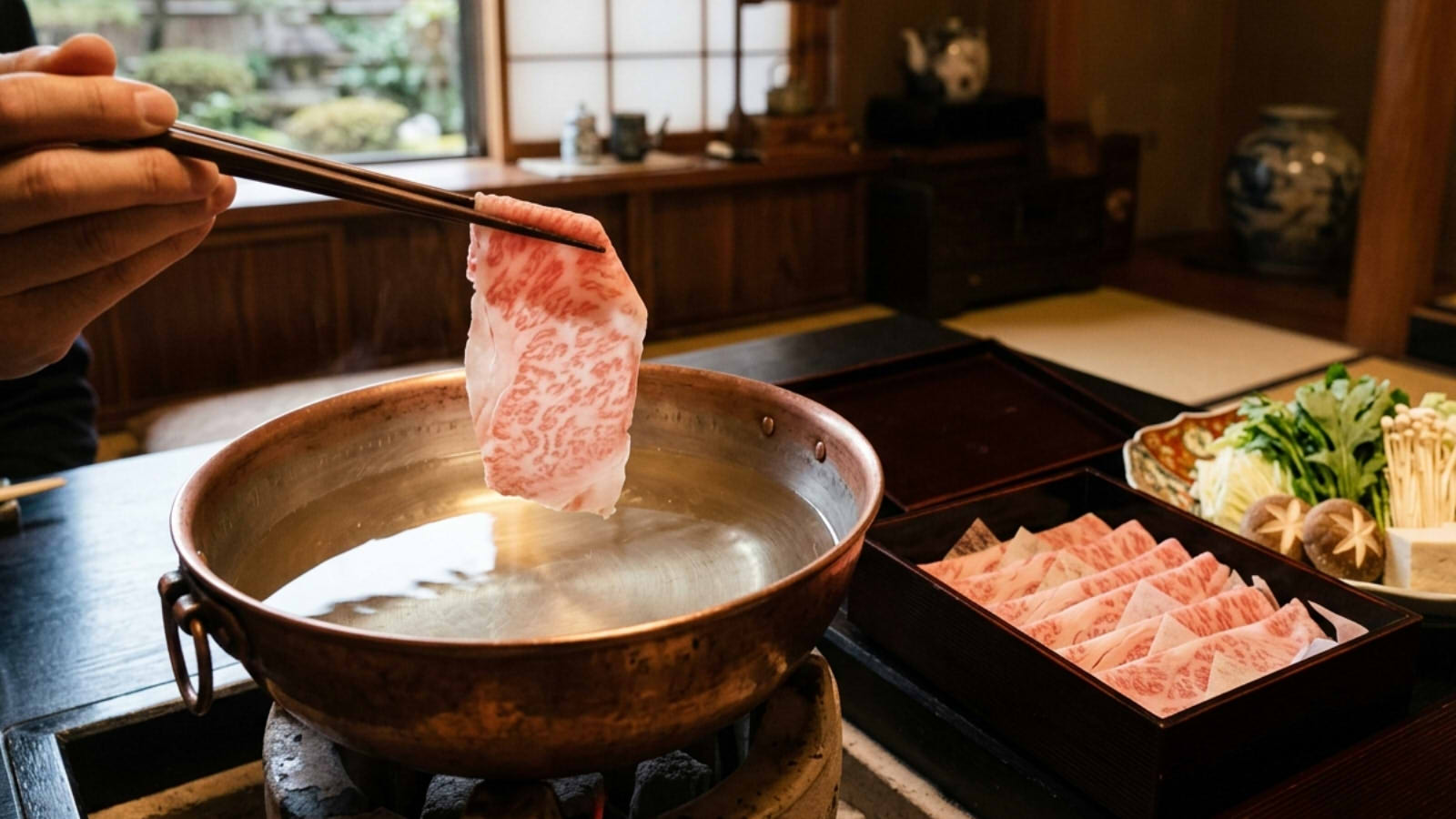
The Naked Truth of Shabu-Shabu: The Ultimate Masterclass in Japanese “Okazu” Logic
When most international diners encounter Shabu-Shabu, they see a fun, interactive hot pot experience: thin slices of beef swished in warm broth, dipped in sesame or ponzu sauce, and eaten alongside an assortment of vegetables. It seems wholesome, light, and straightforward. As a native Japanese home cook and former Izakaya line cook, let me give…
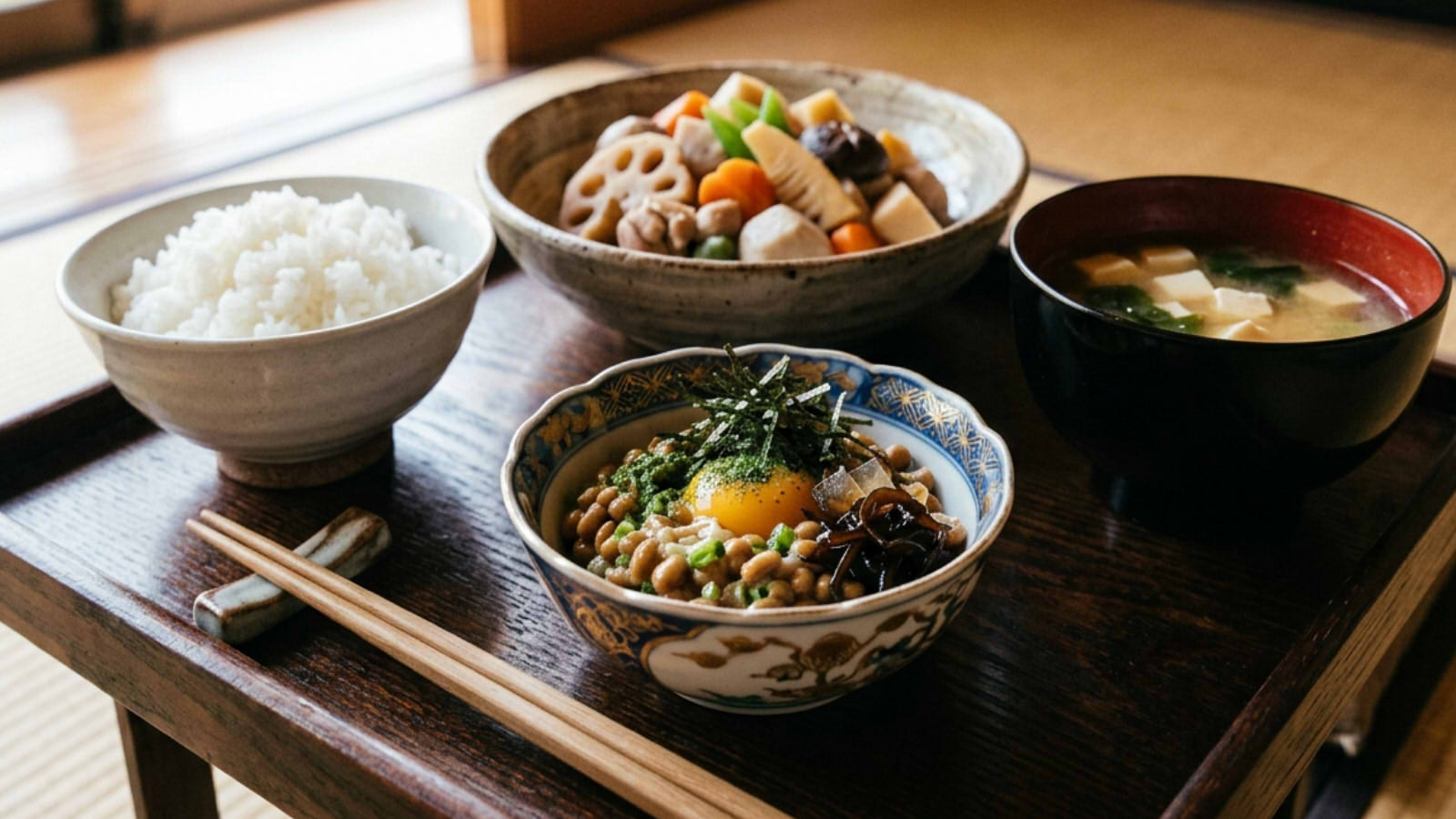
Gateway to Natto (Part 1): The “White Rice & Okazu” Reality Check
Whenever I see Western health articles raving about Natto, the advice is almost always the same: “It’s a probiotic superfood! Just stir the pack and pour it over rice!” As a native Japanese former Izakaya cook who used to completely hate Natto, let me give you an honest reality check: if you eat plain Natto…

“Any Dietary Tips?” What AI Taught Me About Gut Health & Natto
When looking at my blog’s analytics recently, I ran a small experiment using AI that yielded a surprisingly fascinating result. I typed in a very relatable, everyday health question: “I’ve been drinking late at night recently, my stomach feels bloated, and my belly feels like it’s growing. What should I do to recover?” When I…
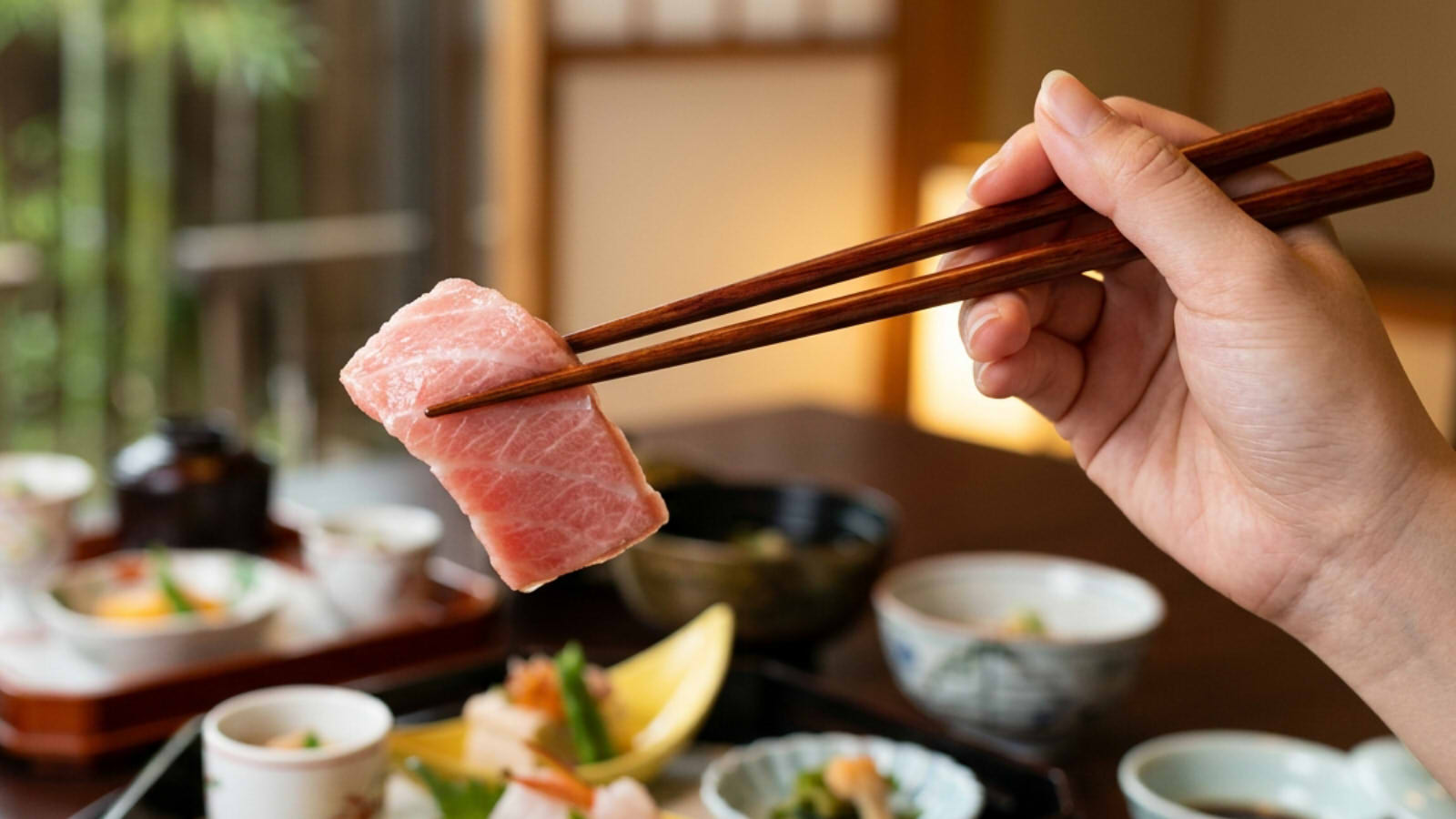
Beyond the Utensil: How Chopsticks Act as the Final Step in Japanese Cooking
When learning to use chopsticks (Hashi), most advice focuses on finger placement or basic table manners. While holding them correctly is a helpful starting point, I think viewing chopsticks merely as a vehicle to transport food to your mouth misses something far deeper about how Japanese meals are experienced. In Japanese food culture, chopsticks are…
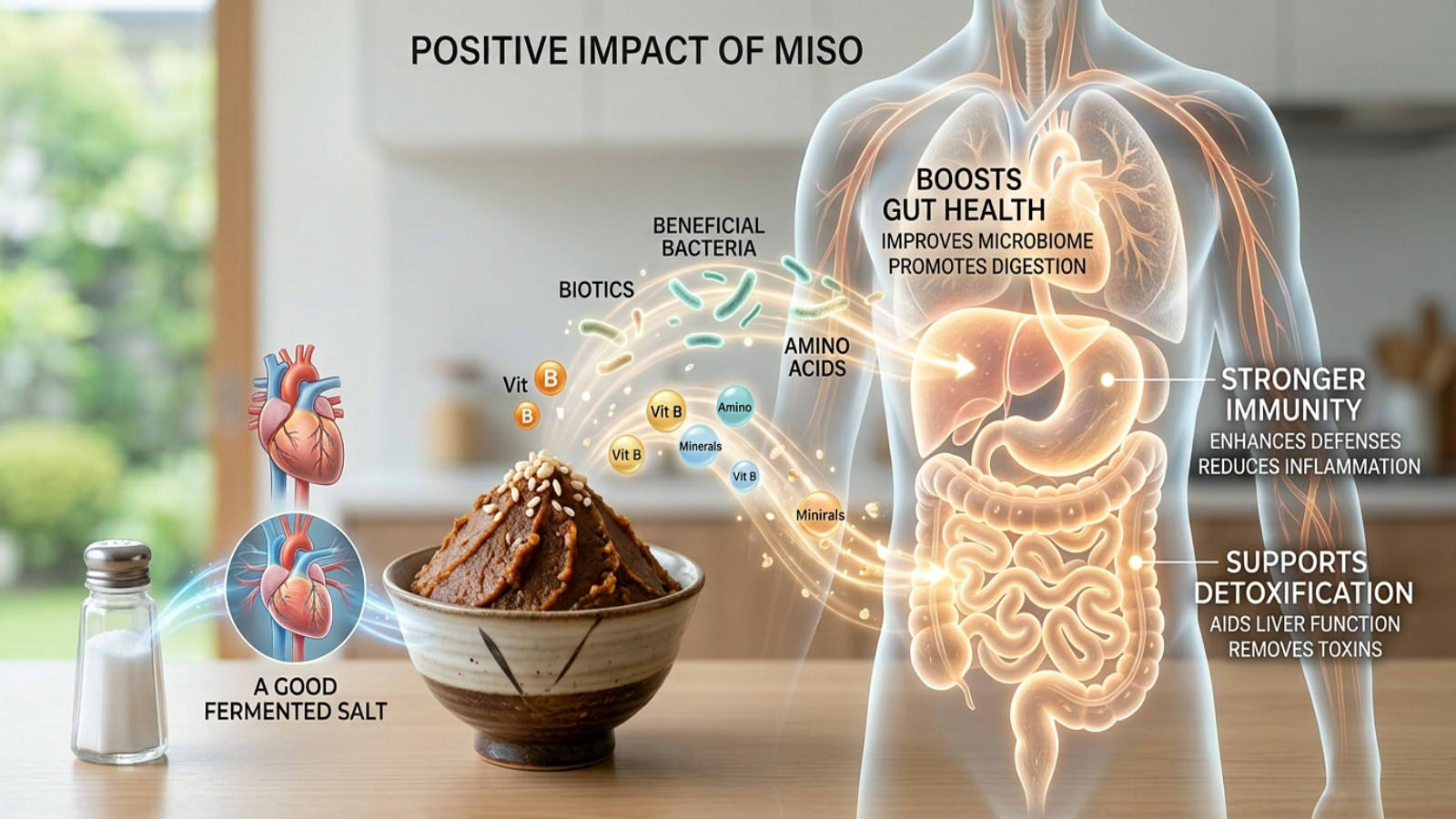
Why Miso + Rice Is a Healthy, Practical, and Joyful Gateway to Japanese Food
Introduction: A gentle note on miso and rice together Before we go deeper into miso seasoning or miso‑based okazu, I want to share one small intention behind this post. Japanese people have always eaten miso together with white rice, and modern studies show this combination is nutritionally ideal. Soybean fermentation and rice carbohydrates complement each…
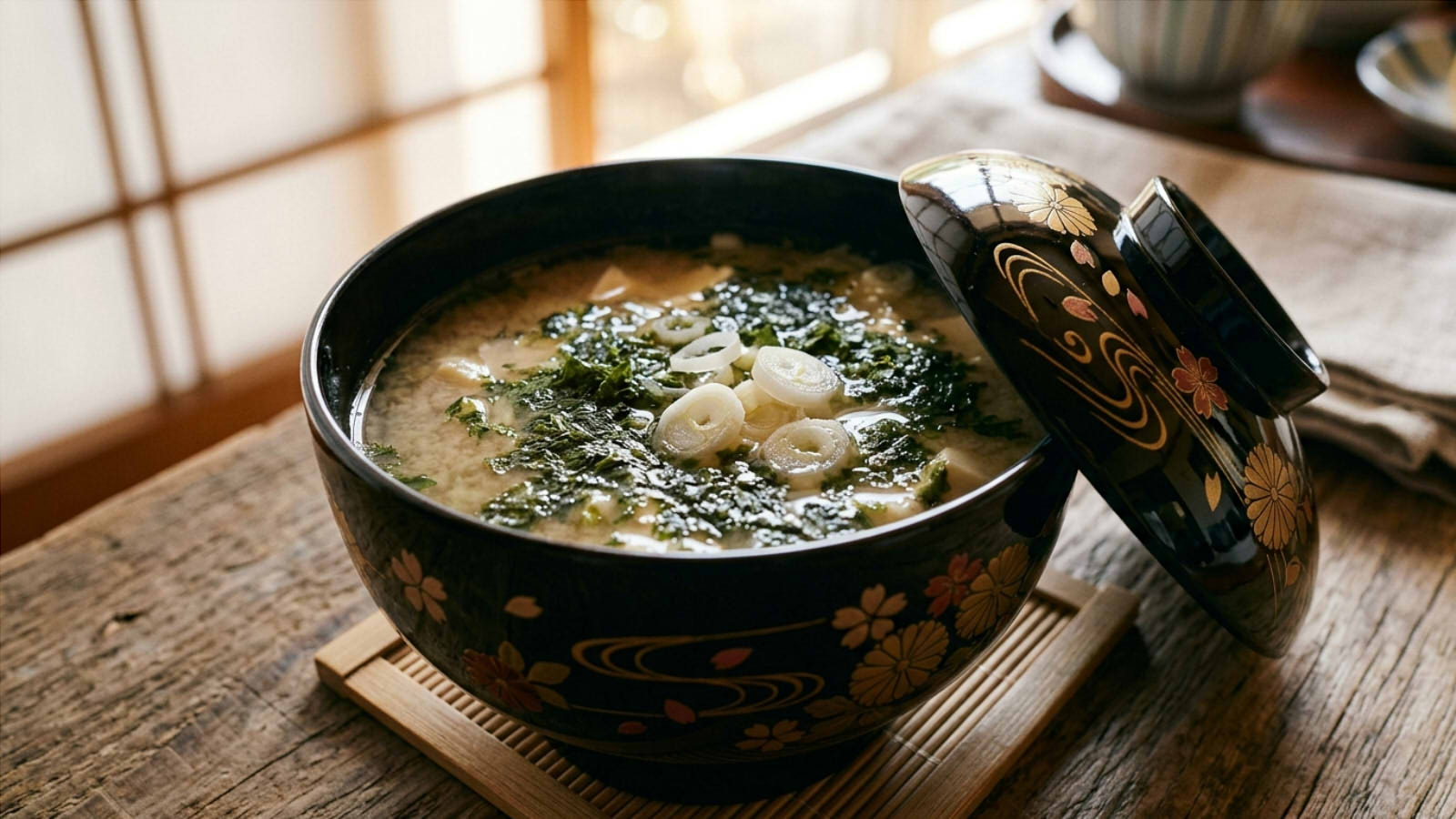
A Simple Starting Point: Miso Soup with Aonori, Proper Uchi‑Negi, and Easy Dashi (My Native Recommendation)
Introduction: This is simply my personal starting point for miso Before trying miso as a seasoning, I personally feel it helps to know one very simple bowl of miso soup. Not the “best” miso soup, not the “correct” one — just a bowl that teaches the baseline flavor of miso in a very natural way.…
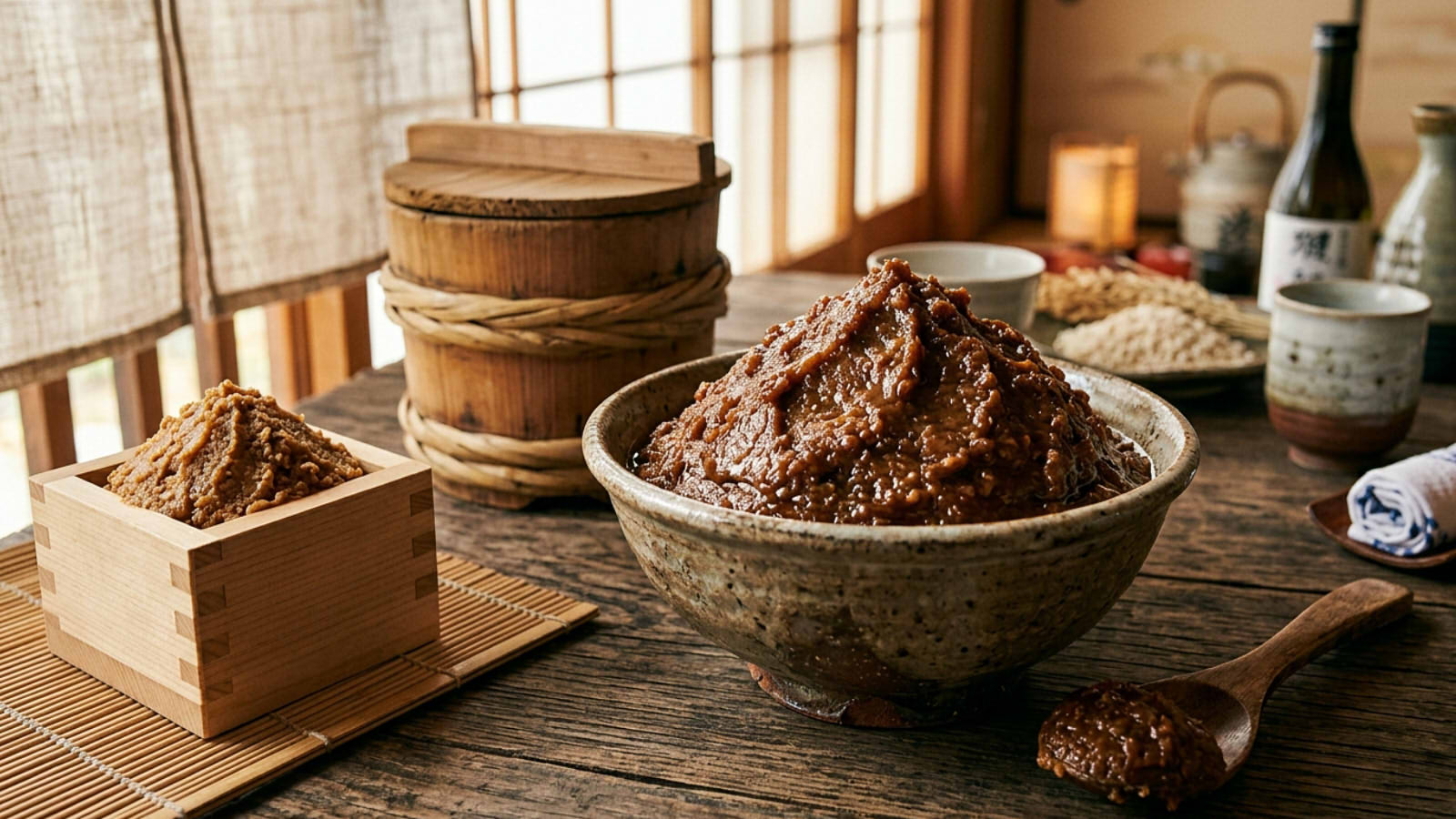
Miso Inside a Japanese Meal Set
Introduction: A small journey into miso, from my point of view This article is the first step in a small series meant to make your experience with miso a little deeper, a little more exciting, and hopefully more enjoyable. Everything I write here comes from my own background and personal taste as someone who grew…
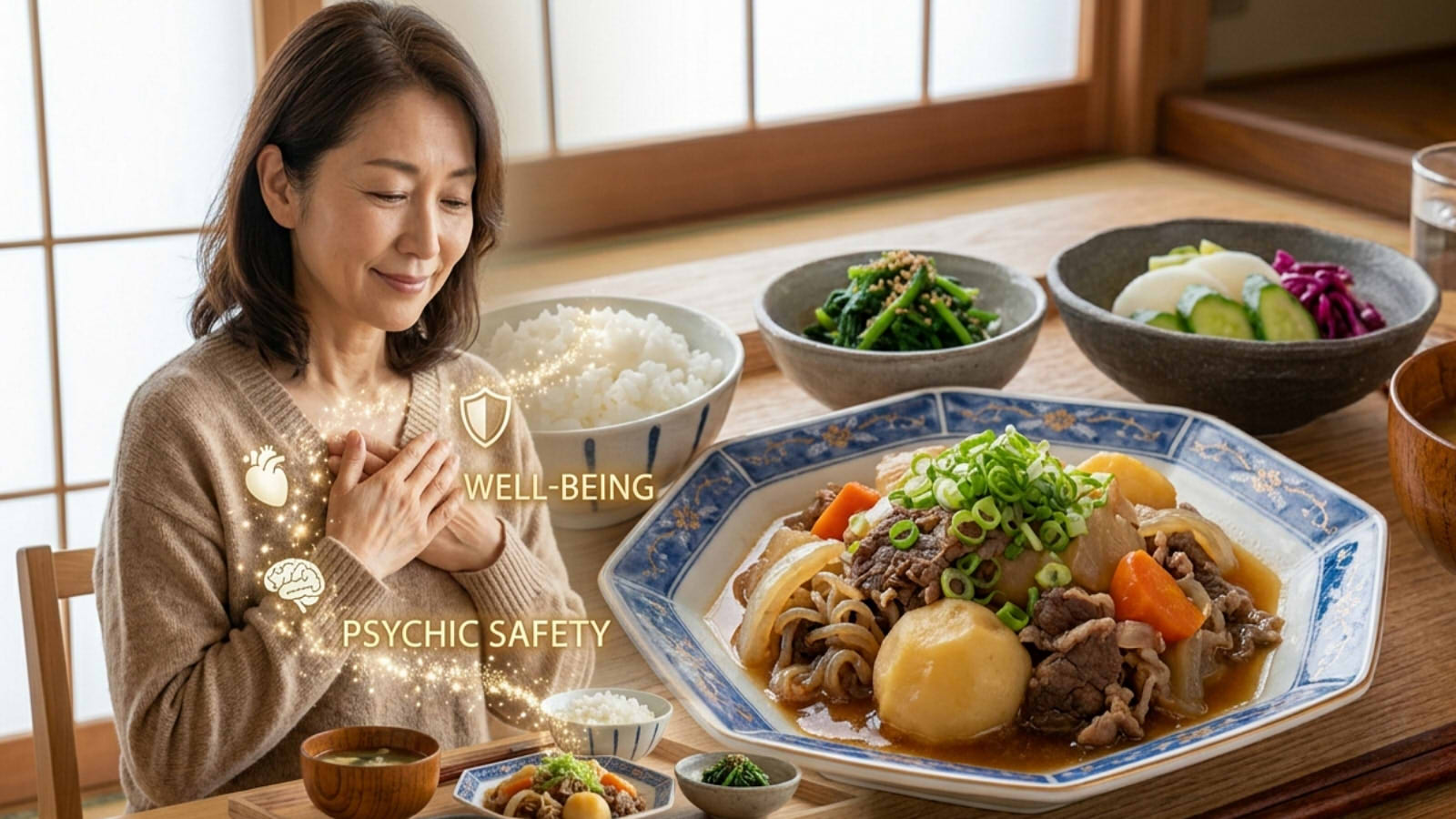
The Quiet Logic Behind Why Japanese Meals May Support Mental Stability
In the previous article, I explored the idea that Japanese meals might quietly support emotional steadiness in daily life. This second part looks a little deeper at the possible mechanisms behind that feeling. None of this is certain, of course, but there are several areas where traditional Japanese cooking seems to align with what emerging…
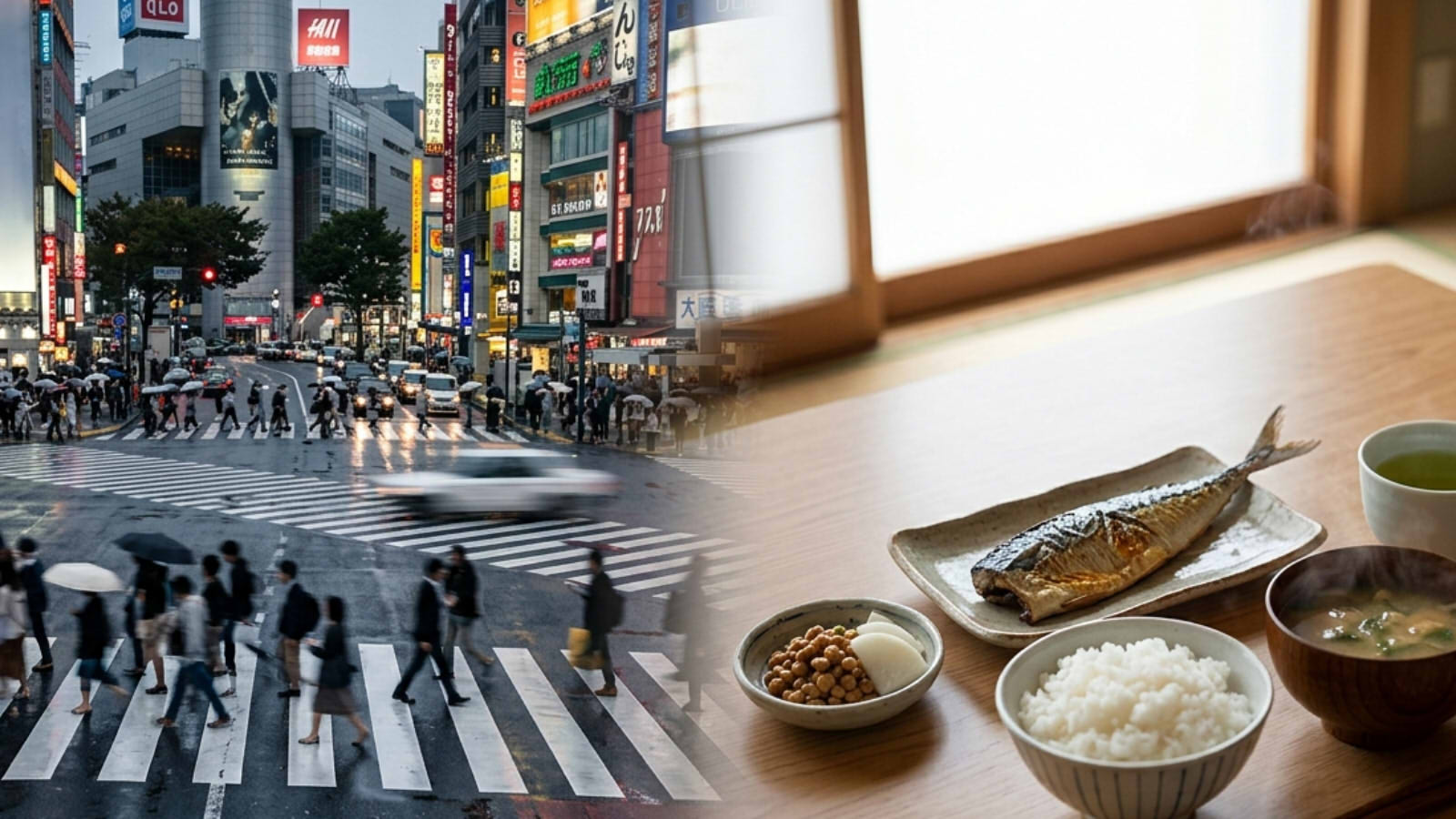
Why Japanese Food Culture Quietly Protects Us from Modern Stress
Tokyo is one of the most exciting cities in the world — but also one of the most mentally demanding. Every morning, millions of people squeeze into packed trains, navigate rigid workplace hierarchies, and move through environments where psychological safety can feel limited. The pressure is constant, and the pace rarely slows down. Yet despite…