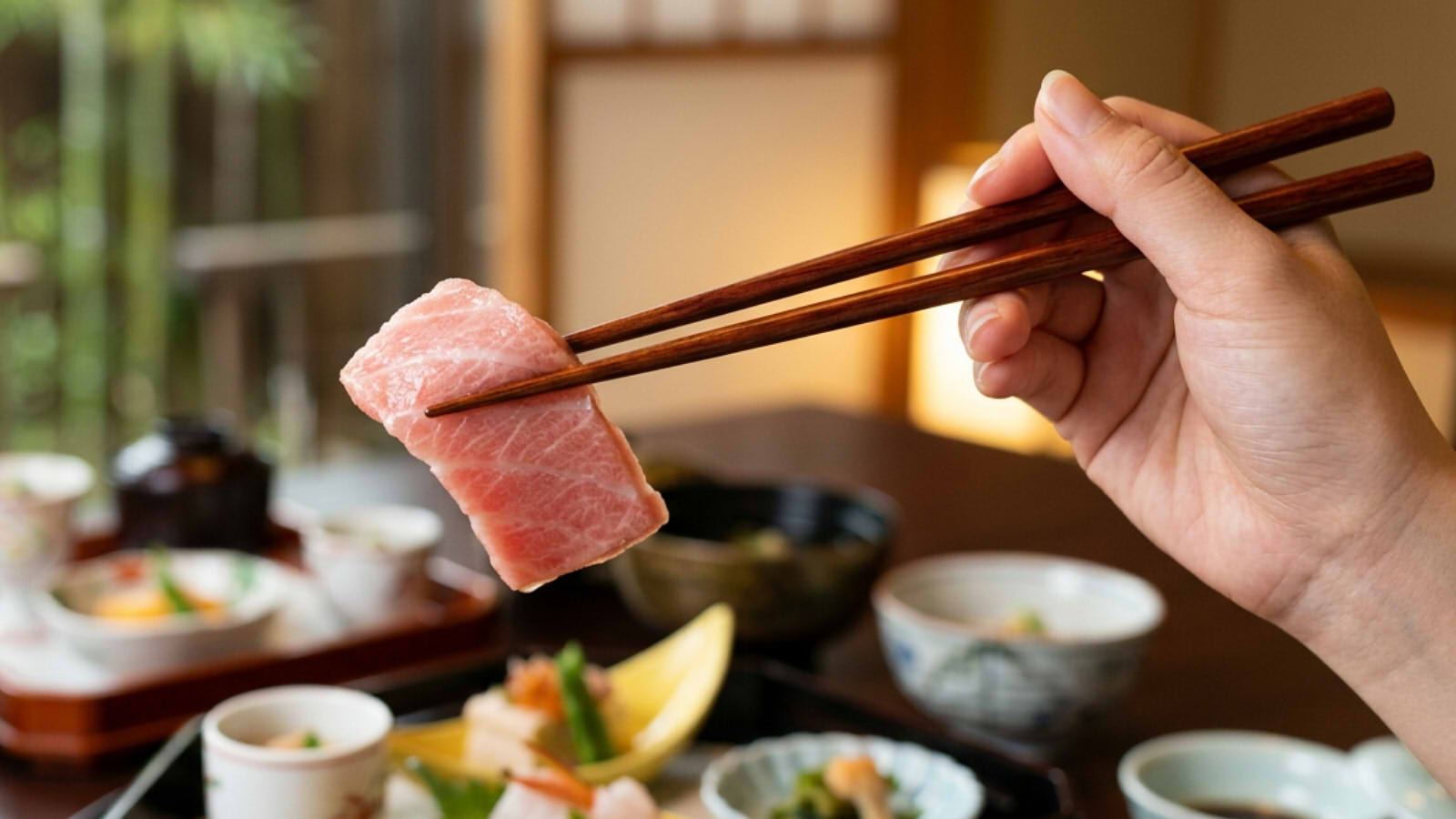
When learning to use chopsticks (Hashi), most advice focuses on finger placement or basic table manners. While holding them correctly is a helpful starting point, I think viewing chopsticks merely as a vehicle to transport food to your mouth misses something far deeper about how Japanese meals are experienced.
In Japanese food culture, chopsticks are not just cutlery—they act as an intuitive, flexible extension of your hands. In many ways, using chopsticks functions like performing the final stage of cooking right at the table and inside your mouth.
A Quiet Reality in Tokyo: The Missing Bridge for Travelers
Working in Shibuya, I often spot groups of foreign travelers stepping into local eateries with great excitement. Yet as the dishes arrive, I frequently notice quiet, puzzled looks around the table.
While many restaurants now offer English menus listing ingredient names, they rarely come with instructions on how each dish is intended to be enjoyed. Most local staff aren’t fluent in English, and general travel guides naturally focus on sightseeing rather than the nuances of food mechanics. From what I observe, there is often no easy way to bridge this gap at the moment.
I don’t mean to sound overly critical or preachy. I simply thought sharing these unspoken table practices might offer a helpful, humble piece of context to keep in mind before you travel to Japan, allowing you to enjoy your meals with far more confidence and comfort.
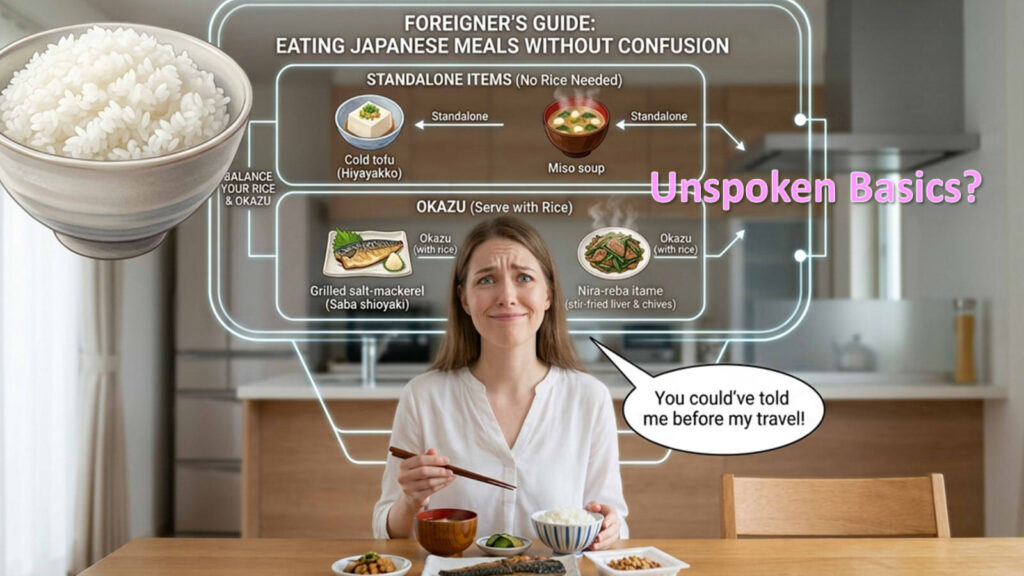
Understanding “Intended Taste”: Why Rice Companion Dishes Can Taste Too Salty on Their Own
Before diving into specific dishes, I want to gently mention that the food examples and pairing suggestions below are based on my personal perspective and experiences as a Japanese native. Taste preferences naturally vary from person to person, so please take these thoughts not as strict rules, but simply as one interesting point of view to keep in mind!
Because Japanese natives grow up surrounded by these dishes, we adjust how we eat automatically without even thinking about it. However, serving a Japanese meal without explaining these subtle pairing rules can easily lead to misunderstandings about how the food is actually supposed to taste.
When a Japanese chef prepares an Okazu (side dish), the seasoning is crafted with a specific assumption in mind: it will be eaten together with unsalted white rice (Gohan).
- The Chef’s Intended Flavor: If you eat an Okazu dish entirely by itself, it may often taste surprisingly salty or intense. That isn’t a mistake in the kitchen—the chef intentionally created that bold flavor profile knowing that neutral rice would balance it out perfectly in your mouth.
- Small Portions for High-Intensity Ingredients: Premium, strongly flavored items like Uni (sea urchin) or Ikura (salmon roe) rely on an unspoken understanding. Everyone is expected to pick up just a tiny portion with their chopsticks to season a larger mouthful of rice.
- Plain Tofu vs. Agedashi Dofu: Cold, plain tofu (Hiyayakko) is enjoyed on its own as a light bite. But Agedashi Dofu (deep-fried tofu in savory dashi broth) carries a richer, saltier dashi coating designed specifically to be eaten with rice.
- Light Pickles vs. Strong Tsukemono: Mild pickled vegetables often serve as Hashiyasume—a gentle palate cleanser eaten singly. Strongly salted pickles, like deep yellow Takuan or Umeboshi (salted plum), expect your chopsticks to lift just a tiny nibble alongside your rice.
If you ever wonder whether a food is meant to be a rice companion (Okazu), a great trick is to look at traditional Onigiri (rice balls) or Norimaki (sushi rolls). The ingredients tucked inside those rice balls—salty plum, seasoned kelp, or savory sea urchin—are precisely the foods that are meant to season plain rice.
Pre-Eating Action: How Each Dish Dictates Its Own Handling
Unlike a Western fork and knife set designed to cut raw steak on a plate, Japanese kitchen prep anticipates how chopsticks will physically interact with each item. Each Okazu demands a slightly different handling strategy before it ever reaches your lips:
- Soft Dishes (Tamagoyaki): A piece of rolled omelet is served in a manageable block, but it expects you to gently divide it into smaller, single-bite portions using the tips of your chopsticks before eating.
- Delicate Dishes (Sashimi): Fresh sliced fish is prepared at the exact thickness intended by the chef. It never expects you to slice or tear it further—simply dip gently in soy sauce and lift.
- Flaky Dishes (Grilled Fish): Eating whole grilled fish requires using the tips to separate delicate flakes from the bone along natural muscle lines, adjusting your pressure so the fish doesn’t crumble.
Rather than treating every item on the table the same way, chopstick use relies on a constant, quiet assessment of texture, salt level, and portion size based on past experiences.
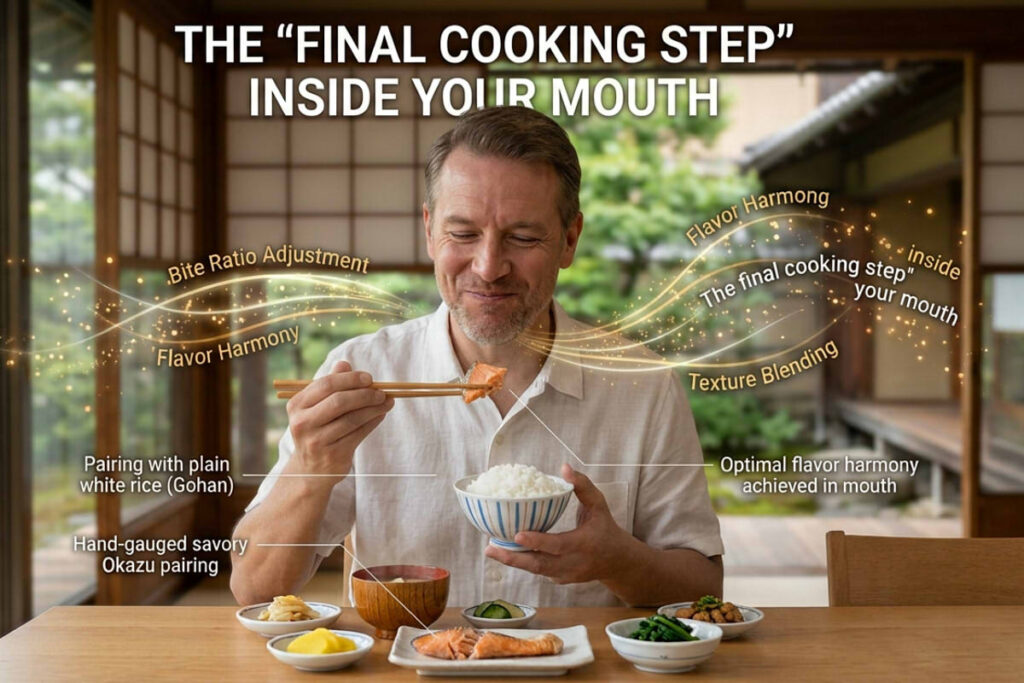
The “Final Cooking Step” Inside Your Mouth
When paired with a bowl of plain white steamed rice (Gohan), chopsticks allow you to custom-build each bite. I find this process functions almost like a personalized culinary adjustment:
- Adjusting Bite Ratios: Based on experience, your hands automatically gauge how much savory Okazu to pair with a specific amount of neutral rice for the perfect taste balance.
- Managing Softness and Temperature: You naturally feel the softness or warmth of the food through the wood or bamboo tips, adjusting how gently you handle each morsel.
- Blending Textures: By alternating bites of tender fish, crisp pickles, and fluffy rice, the ultimate harmony of flavors and textures is intentionally completed right inside your mouth.
Why Tricky Foods Like Natto Rely on Past Experience
This dynamic function explains why sticky or unique ingredients like Natto (fermented soybeans) can feel confusing or frustrating for beginners.
Natto cannot simply be scooped up like peas with a spoon. Eating it comfortably requires an intuitive understanding built on experience:
- Creating Resistance: You must stir the beans with enough speed and angle to whip up the characteristic sticky strands (Neba-neba).
- The Twirling Motion: Before lifting the beans toward your mouth or rice bowl, a quick, practiced twirl of the chopstick tips breaks the long viscous threads.
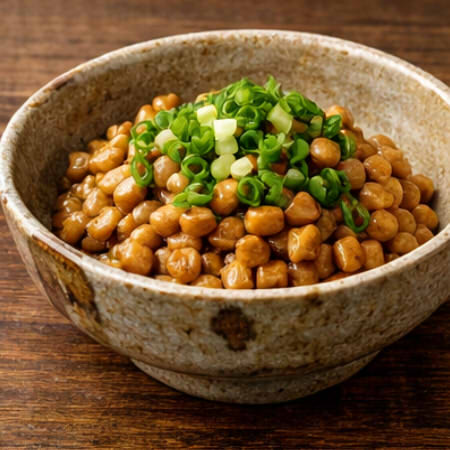
Without realizing that chopsticks require this active, sensory feedback loop—and knowing how Natto is meant to blend with warm rice—trying to eat it feels almost impossible. But once your hands learn the rhythm, it becomes second nature.
Developing an Intuitive Connection with Your Food
Because these habits become second nature to Japanese natives, we rarely think to explain them to visitors. I share these small nuances not as strict rules, but to offer a kinder, clearer doorway into enjoying Japanese meals the way they were designed—and perhaps making your next trip to Japan feel just a little smoother:
- Keep in mind that intense or salty Okazu like Uni or Takuan are meant to be enjoyed in small portions against a larger bite of white rice.
- Look to Onigiri fillings as a quick guide to figure out which foods make wonderful rice companions.
- Experiment with balancing the ratio of Okazu to rice in each bite to unlock the exact flavor harmony the chef intended.
By paying attention to these subtle physical interactions, holding chopsticks transforms from a basic mechanical chore into a quiet, enjoyable dialogue with your food.
You might want to check this out:
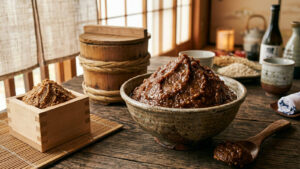
Miso Inside a Japanese Meal Set
Introduction: A small journey into miso, from my point of view This article is the first step in a small series meant to make your experience with miso a little deeper, a little more exciting, and hopefully more enjoyable. Everything I write here comes from my own background and personal taste as someone who grew…
Leave a Reply