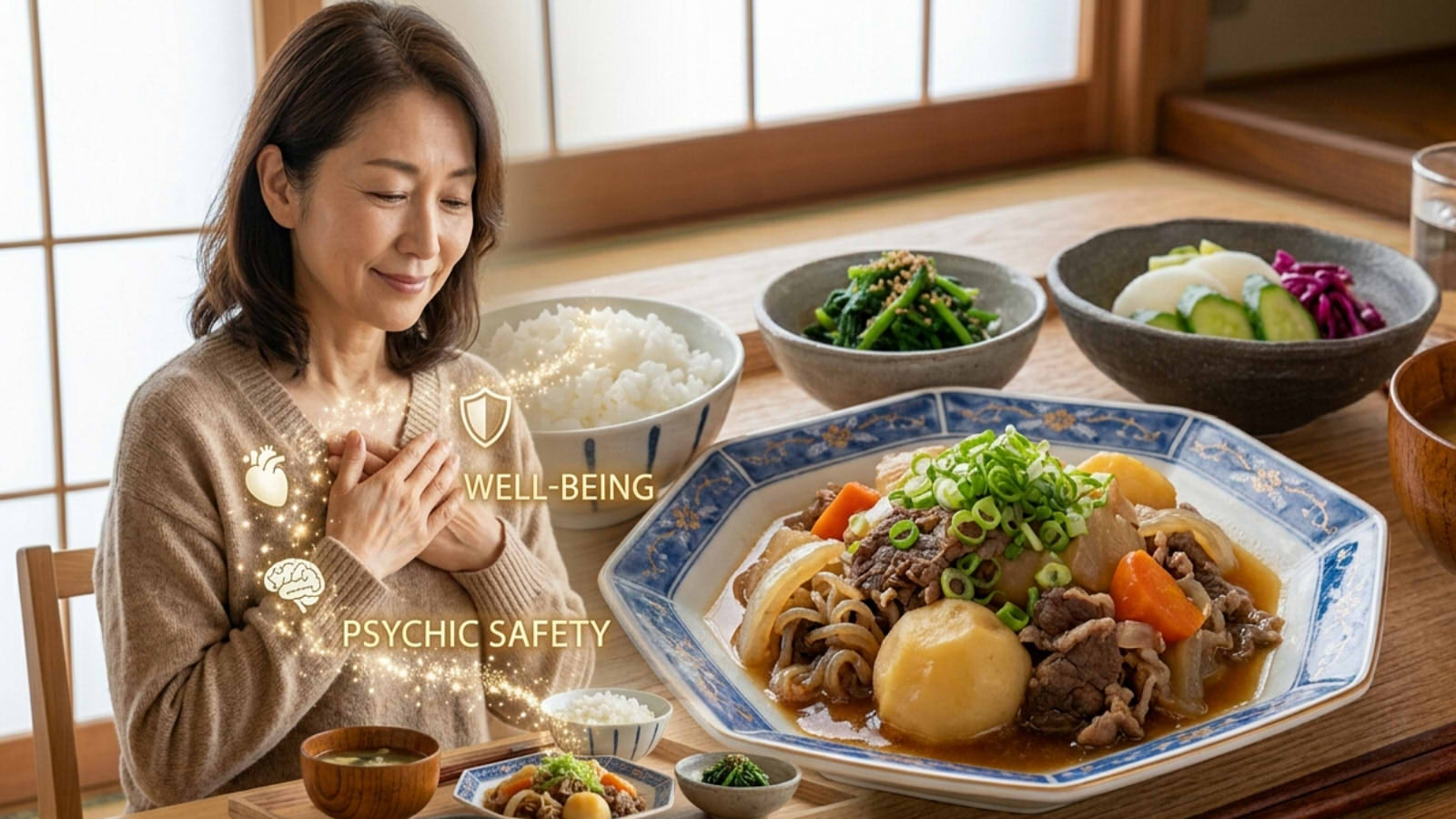
In the previous article, I explored the idea that Japanese meals might quietly support emotional steadiness in daily life. This second part looks a little deeper at the possible mechanisms behind that feeling. None of this is certain, of course, but there are several areas where traditional Japanese cooking seems to align with what emerging research suggests might help the body handle stress more smoothly.
These ideas aren’t meant as medical claims — just possibilities that seem worth considering.
Low‑Oil Cooking Might Reduce Inflammatory Stress
Modern nutrition often discusses inflammation as something that may influence mood, energy, and stress tolerance. Heavy oils — especially when used in large amounts — are sometimes associated with higher inflammatory load.
Japanese home cooking naturally uses less oil because it relies on:
- grilling
- steaming
- simmering
- dashi
- umami‑rich ingredients
This lighter approach might reduce the inflammatory stress that can follow oil‑heavy meals. Some studies suggest that lower inflammatory load could support clearer thinking and steadier energy.
People often describe Japanese meals as “light but satisfying,” and this cooking style may be one quiet reason why.
Omega‑3 Fish Could Support Mood Stability
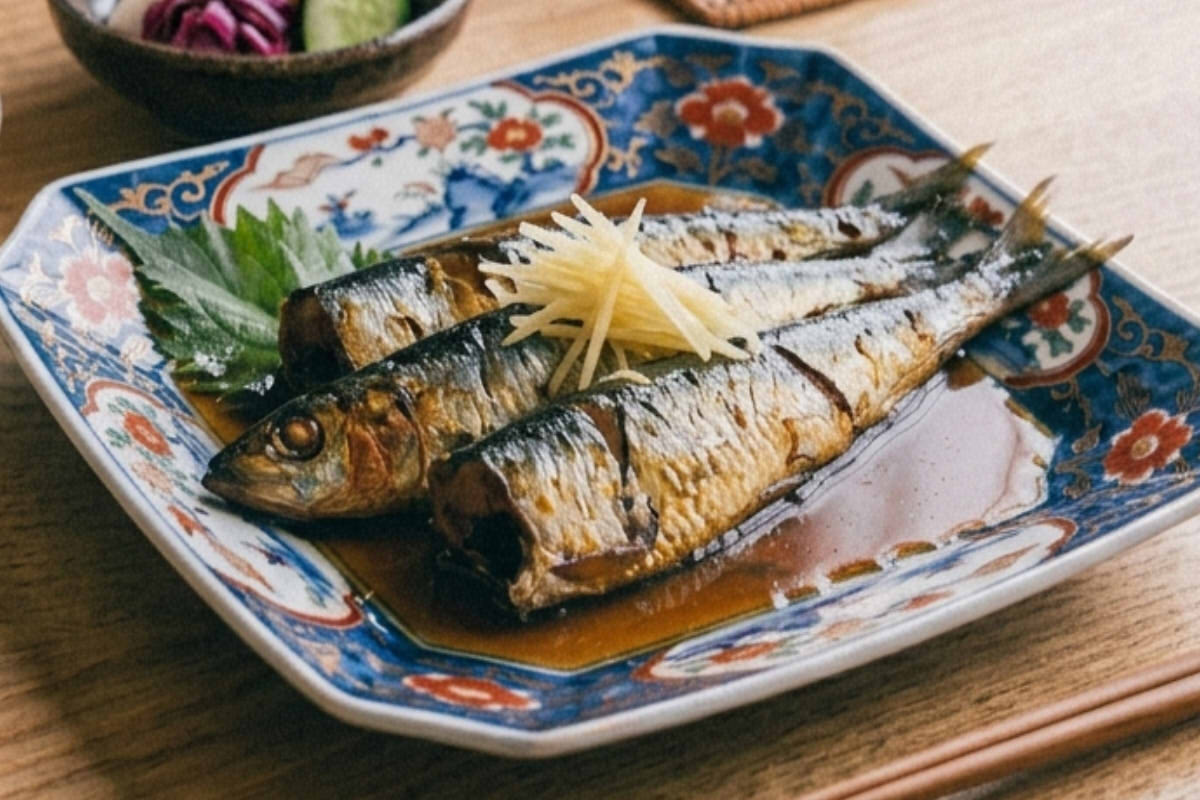
Japan’s traditional diet includes frequent servings of oily fish such as:
- saba (mackerel)
- sanma
- sardines
- salmon
These fish contain omega‑3 fatty acids (EPA and DHA), which research suggests may support:
- neurotransmitter balance
- reduced inflammation
- smoother stress response
- mood stability
Again, nothing is guaranteed, but it’s interesting that Japanese households often eat these fish as normal weekday meals. This quiet repetition might be one factor contributing to emotional steadiness in daily life.
Fermented Foods May Support the Gut–Brain Axis
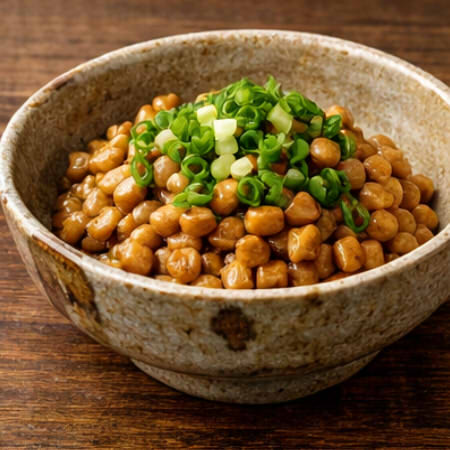
Japanese meals include fermented foods almost without thinking:
- miso
- natto
- pickles
- soy sauce
- mirin
Fermented foods contain probiotics and fermentation byproducts that might support gut microbiome diversity. Since the gut produces a large portion of the body’s serotonin, some researchers suggest that gut health could influence emotional stability.
Japanese people don’t eat miso soup for serotonin — they eat it because it’s comforting. But comfort and biology sometimes overlap in interesting ways.
Umami Might Create Satisfaction Without Heaviness
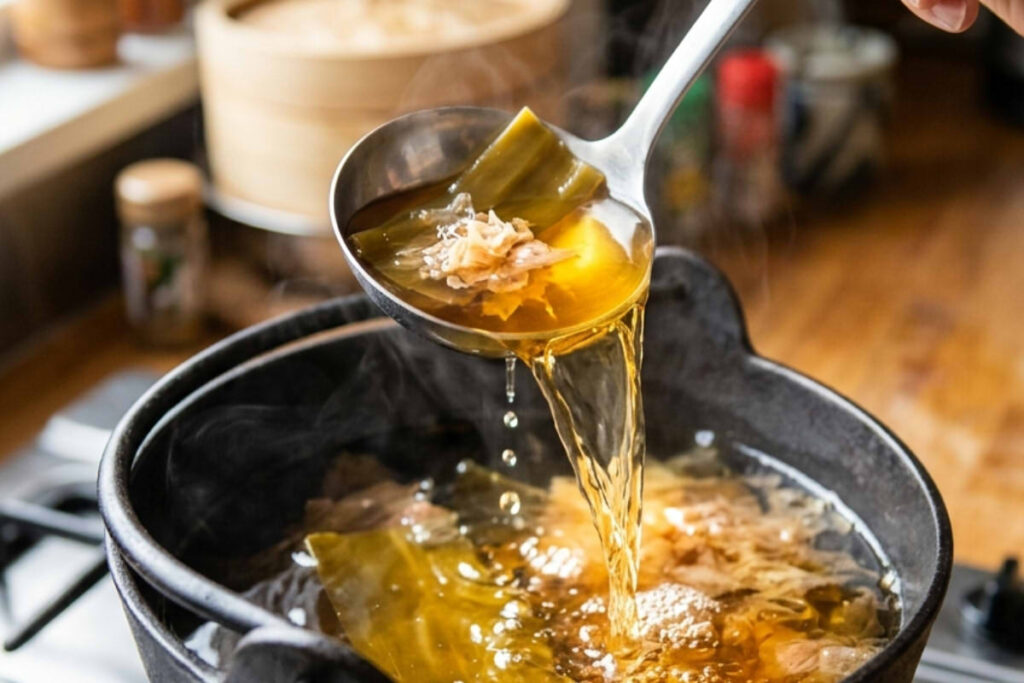
Umami — the “fifth taste” — is central to Japanese cooking. Ingredients like:
- kombu
- bonito flakes
- shiitake
- miso
- soy sauce
provide deep flavor without needing butter, cream, or large amounts of oil.
Some studies suggest umami may increase satiety and reduce cravings. This could explain why Japanese meals feel complete even though they’re light.
A satisfying meal that doesn’t overwhelm the body might naturally support calmer post‑meal energy.
Rice Seems to Provide Steady Energy and Emotional Grounding
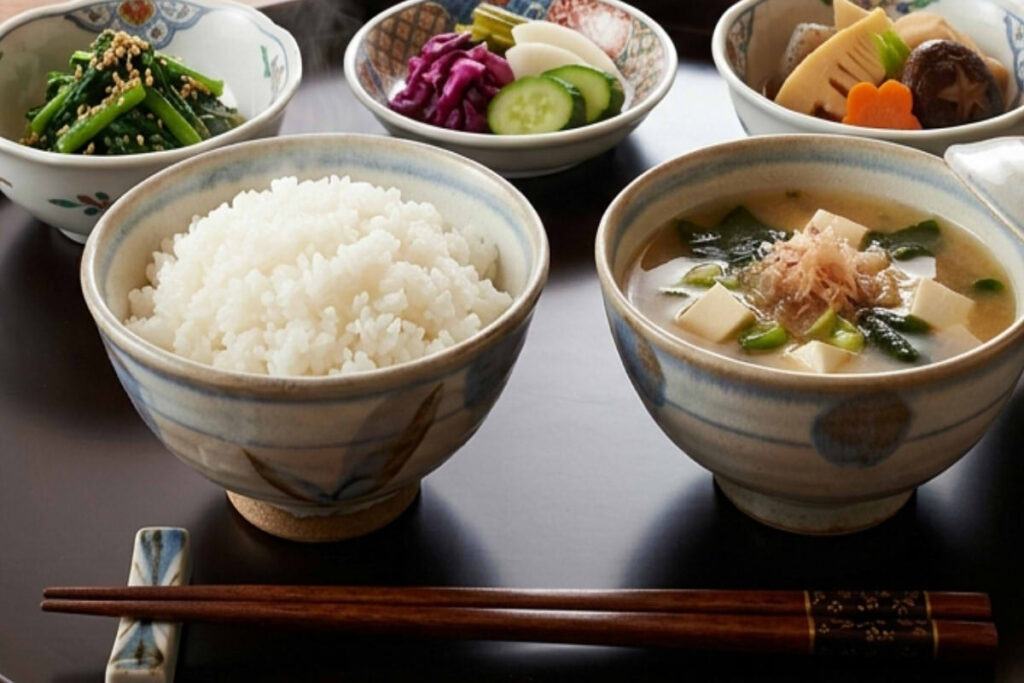
Rice is often misunderstood outside Japan. Many Western readers think of rice as something that “spikes blood sugar,” but in Japanese cooking, rice is rarely eaten alone. It is almost always part of a balanced meal structure.
Rice:
- absorbs flavors
- provides slow, steady energy
- balances lighter dishes
- creates a sense of completeness
Low‑oil meals can feel unsatisfying without rice. But with rice, they become grounding and emotionally steady. This combination might help prevent the energy crashes that sometimes follow heavier meals.
Rice by itself can raise blood sugar quickly — that part is true. But in Japanese cooking, rice is almost never eaten alone. It is part of teishoku, which changes the overall effect.
The Teishoku Structure May Help Stabilize Blood Sugar
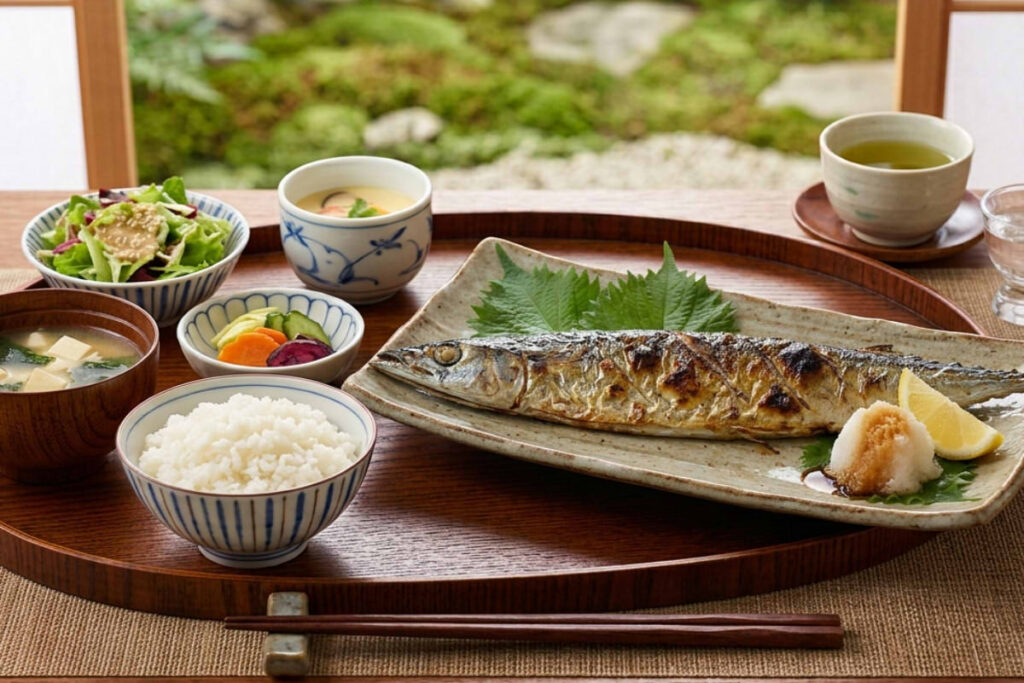
A typical Japanese set meal includes:
- rice
- miso soup
- fish or tofu
- vegetables
- pickles
This structure naturally balances:
- protein
- fiber
- fermented foods
- hydration
- slow carbohydrates
Some nutritionists suggest that this kind of balance might help stabilize blood sugar, which could influence mood and stress tolerance.
A note about rice and blood sugar
Rice is often considered a food that spikes blood sugar. And yes — too much rice alone can do that. But Japanese cooking has a long cultural understanding that “too much of anything is no good.”
Teishoku quietly solves this problem:
- protein slows digestion
- fiber reduces spikes
- fermented foods support gut response
- miso soup adds hydration
- vegetables add volume
- pickles add acidity that may slow absorption
So while rice alone might spike blood sugar, rice within teishoku behaves differently. The whole meal works together, and this balance may contribute to steadier energy and calmer mood.
Minimal Modification Might Reduce Mental Load
Japanese cooking often expresses a philosophy of “not changing ingredients too much.”
- Grilled fish is just fish.
- Miso soup is simple.
- Vegetables are lightly seasoned.
- Rice is rice.
This minimalism may reduce cognitive load during meals. There’s something calming about food that doesn’t overwhelm the senses or require complex interpretation.
It’s a quiet form of mental rest.
Why This Logic Matters Today

Japan’s modern lifestyle is intense. Workplaces can be demanding. Cities move fast. Stress is part of daily life.
But traditional Japanese meals — especially home‑style cooking — might offer a subtle counterbalance. Not a cure, not a treatment, but a gentle support system woven into everyday life.
This logic isn’t definitive. It’s simply a possibility that seems worth exploring.
What Comes Next
In the next part of this series, I’d like to introduce a simple way to feel how the teishoku structure might change the overall experience of a meal.
Many people enjoy beef steak, so let’s use that as the main dish. Instead of creating a traditional Japanese meal, we’ll take a familiar Western-style dinner and gently reshape it into a teishoku-style format. This approach may help you notice how balance, lighter cooking, and small fermented side dishes can influence satisfaction and post‑meal energy.
In the next article, we’ll start with a typical meal you might find in a city like Los Angeles, such as:
- beef steak (300g)
- potatoes or fries (200g)
- small salad (80g)
- roasted vegetables (150g)
Then we’ll adjust the structure so it fits a Japanese-style teishoku pattern:
- beef steak (reduced portion, with a shoyu-based sauce)
- white rice (about 250g)
- small salad (same as above)
- a small side dish (kombu tsukudani, natto, or similar)
- miso soup
What I hope you’ll enjoy in the next article is the comparison between the original steak dinner and the teishoku-style version — especially how the rice and the lighter cooking approach might create a different kind of satisfaction. I’ll also share a simple shoyu-based steak sauce that can make this transition enjoyable and easy to try at home.
Leave a Reply