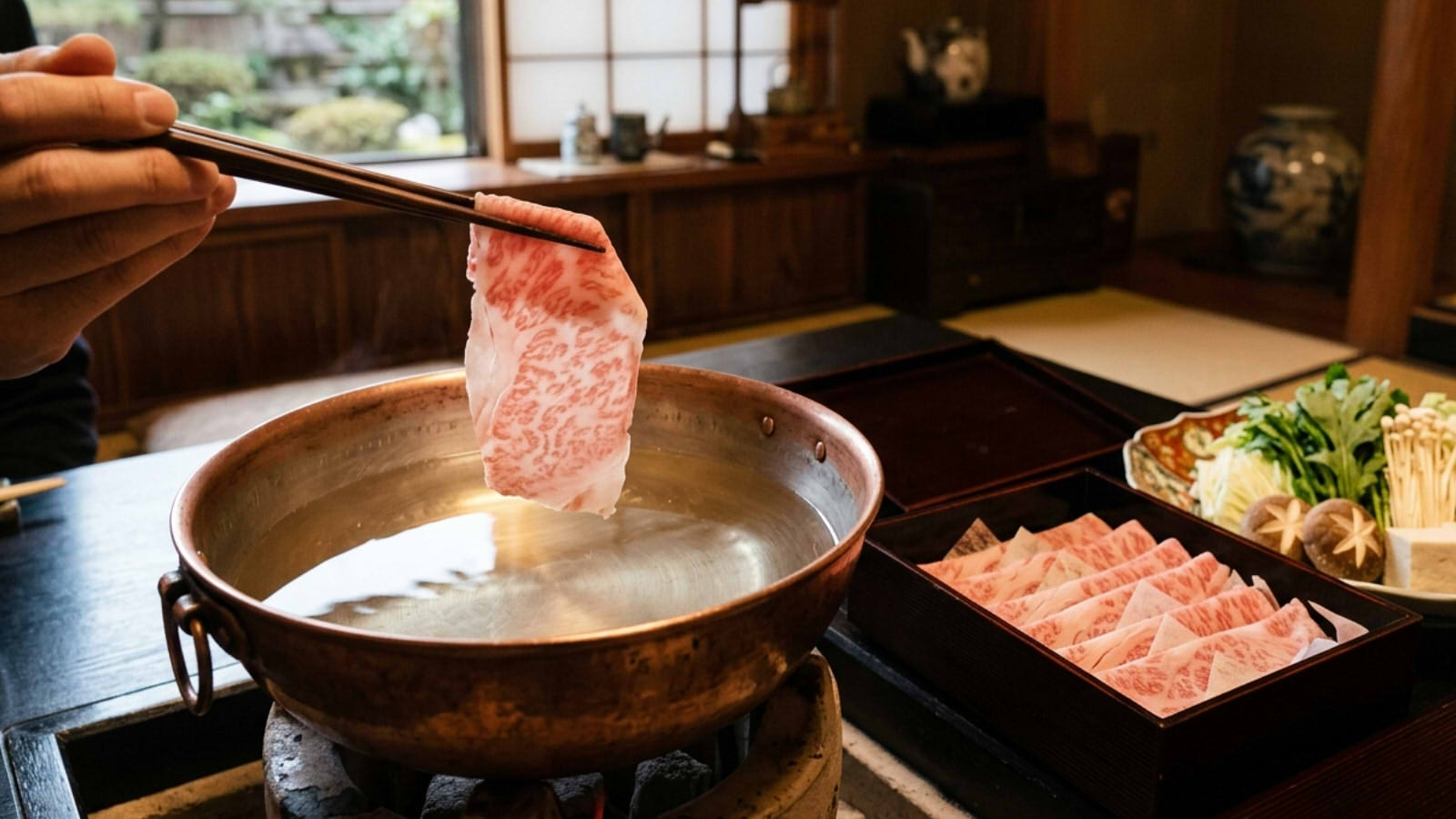
When most international diners encounter Shabu-Shabu, they see a fun, interactive hot pot experience: thin slices of beef swished in warm broth, dipped in sesame or ponzu sauce, and eaten alongside an assortment of vegetables. It seems wholesome, light, and straightforward.
As a native Japanese home cook and former Izakaya line cook, let me give you an honest perspective: if you treat Shabu-Shabu merely as a casual hot pot, you are missing its core purpose in Japanese culinary culture.
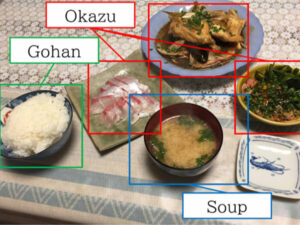
Shabu-Shabu is not just a hot pot. It is the purest, most unadulterated method of turning beef into the ultimate Okazu—a dish specifically designed to complement hot, plain white rice (Gohan). Understanding this fundamental logic will permanently upgrade how you view Japanese dining and evaluate meat quality worldwide.
Shabu-Shabu Is Not Just “Hot Pot”—It Is the Ultimate Form of Okazu
To understand Shabu-Shabu, you must first understand the fundamental Japanese meal equation: Gohan (white rice) is the center of the table, and Okazu (side dishes) exist to elevate the rice.
Unlike Western steak dining where the protein stands alone as a massive centerpiece, or Chinese hot pot where rich, spicy broths coat the ingredients in heavy flavor, Shabu-Shabu uses a delicate Kombu Dashi (kelp broth) that adds almost no sodium or heavy fat.
Why? Because flash-poaching beef in pure, gentle broth isn’t meant to season the meat—it’s meant to strip away excess surface grease while locking in pure umami. The moment you dip that warm, tender beef in ponzu or sesame sauce and place it over hot white rice, you create a pristine, perfectly balanced bite of Okazu that makes the starch of the rice sing.
You might want to check this out:
Two Separate Activities in One Pot: Meat vs. Vegetables
A common mistake beginners make is dumping meat, cabbage, mushrooms, and tofu into the pot all at once, turning the meal into a chaotic stew. Now, to be completely transparent: you won’t find this written in any official Japanese dining rulebook, and to be frank, plenty of Japanese diners mix everything together without giving it a second thought!
However, as someone who spent years working in an Izakaya kitchen and obsessing over flavor structures, this is my personal insider advice for getting the absolute maximum quality out of your pot. I view a Shabu-Shabu meal as two distinct, intentional activities:
- The Meat Phase (Okazu Creation): Swishing beef slice by slice in real-time. This is a dedicated, active process of cooking protein at its absolute peak thermal window to pair directly with your bowl of rice.
- The Vegetable Phase (Poached Produce Appreciation): Simmering seasonal vegetables, mushrooms, and leeks in the savory, beef-infused broth. This is a separate, soothing activity focused on enjoying fresh produce at crisp-tender textures between bites of rich meat.
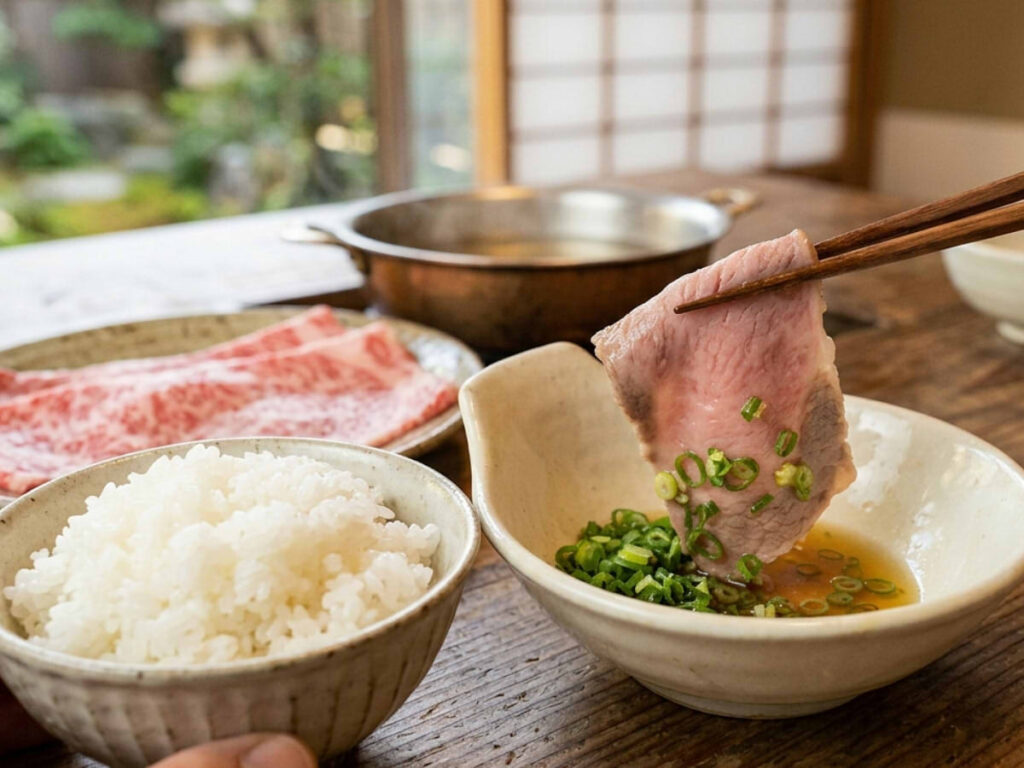
Mindfully separating these two phases keeps your broth clean, prevents overcooking your vegetables, and gives you total control over your meal’s flavor progression.
Why This “Naked” Cooking Style Exposes Everything About Meat
In heavy barbecue sauces, deep-fried coatings, or intense pan sears, minor flaws in meat handling can easily be hidden. Shabu-Shabu offers no such shelter. Because the broth is completely clean and transparent, flash-poaching reveals the raw, naked reality of your ingredients.
From a native practitioner’s perspective, Shabu-Shabu is a dish best enjoyed with high-grade Wagyu—ideally A4 rank or better. Because the cooking method is stripped back to its absolute bare essentials, there are no heavy glazes to lean on. The entire experience hinges on the delicate, unadulterated sweetness and melting fat of top-tier beef.
To understand this, contrast Shabu-Shabu with its hot pot sibling, Sukiyaki:
- Sukiyaki (Forgiving & Sauce-Forward): Sukiyaki uses a bold, sweet-savory Warishita (soy sauce, mirin, and sugar) broth, making it far more forgiving for casual, everyday cuts of beef. The rich seasoning coats the protein and seasons accompanying ingredients.
- The Genuine Sukiyaki Rule: (Even in Sukiyaki, native culinary logic applies: authentic Sukiyaki does not start by boiling meat and vegetables together in a stew. True practitioners sear and serve the beef first to enjoy its peak texture, then use the rendered beef juices and fat left in the pan to season the vegetables afterward—a method that is far superior from a cooking science perspective.)
- Shabu-Shabu (Unforgiving & Pure): Without Warishita or sugar to coat the palate, Shabu-Shabu leaves cheap or dry meat with nowhere to hide.
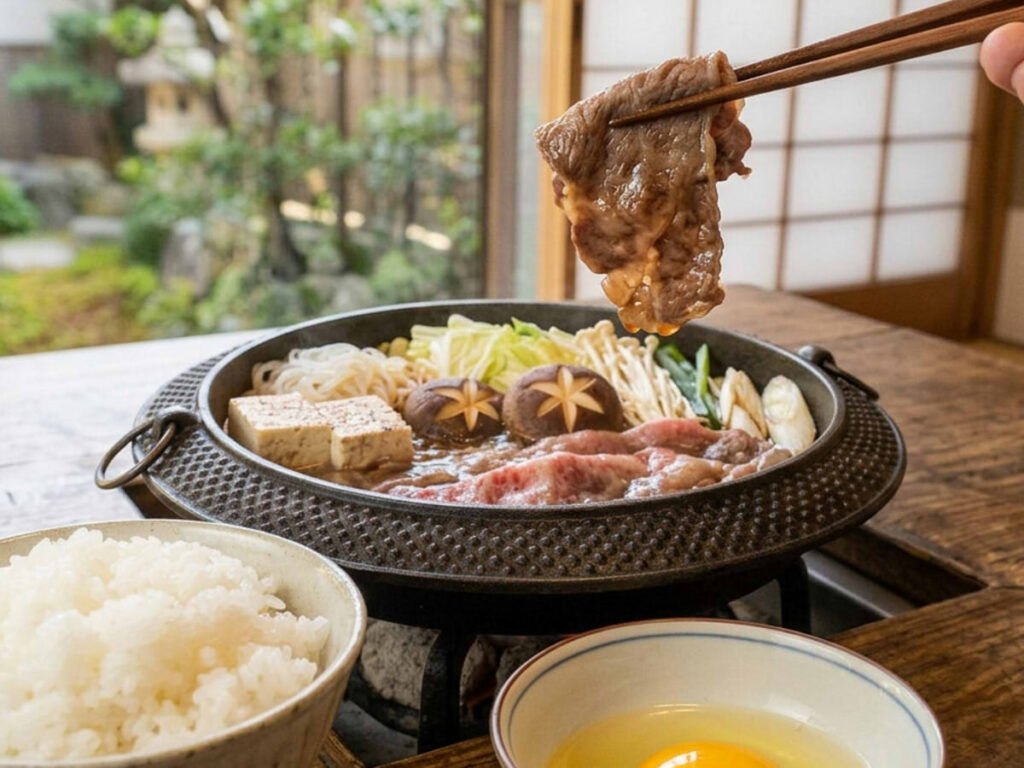
Sukiyaki
If your beef was improperly thawed, releases reddish liquid (drip) on the plate, or is sliced at the wrong thickness for its marbling, Shabu-Shabu will instantly expose it. Learning to appreciate Shabu-Shabu in its “naked” form builds deep meat literacy—skills that translate directly into better steak cooking, roasting, and ingredient selection in your own kitchen.
What Lies Ahead in This Shabu-Shabu Masterclass Series
Once you grasp that Shabu-Shabu is a refined system for creating clean Okazu and appreciating pure ingredients, you are ready to dive into the practitioner-level mechanics that make it work.
In the upcoming articles of this series, we will break down every layer of the Shabu-Shabu craft step-by-step:
- Part 2: Meat Physics & Selection Rules — The precise culinary knowledge needed to select the ideal meat for Shabu-Shabu (fat marbling, slice thickness like 1mm vs 2mm, and temperature physics) so you never waste good beef again.
- Part 3: Thermal Mastery & Drip Chemistry — The critical 70°C–80°C poaching window and how raw meat condition directly affects toughness and cellular moisture.
- Part 4: The Native Sequence & Flow — My personal recommendation for how to proceed through a Shabu-Shabu meal step-by-step (starting mildly with vegetables to build the broth, timing your Gohan and meat Okazu cycles, and finishing cleanly).
- Part 5: The Philosophy & Mindset Shift — How mastering the minimal-intervention mindset of Shabu-Shabu fundamentally changes how you view ingredients, heat, and cooking logic in your daily kitchen life.
Welcome to the true depth of Japanese home and casual dining logic. Let’s explore the physics of flavor together.
Leave a Reply