Introduction: What Makes Nitsuke Special
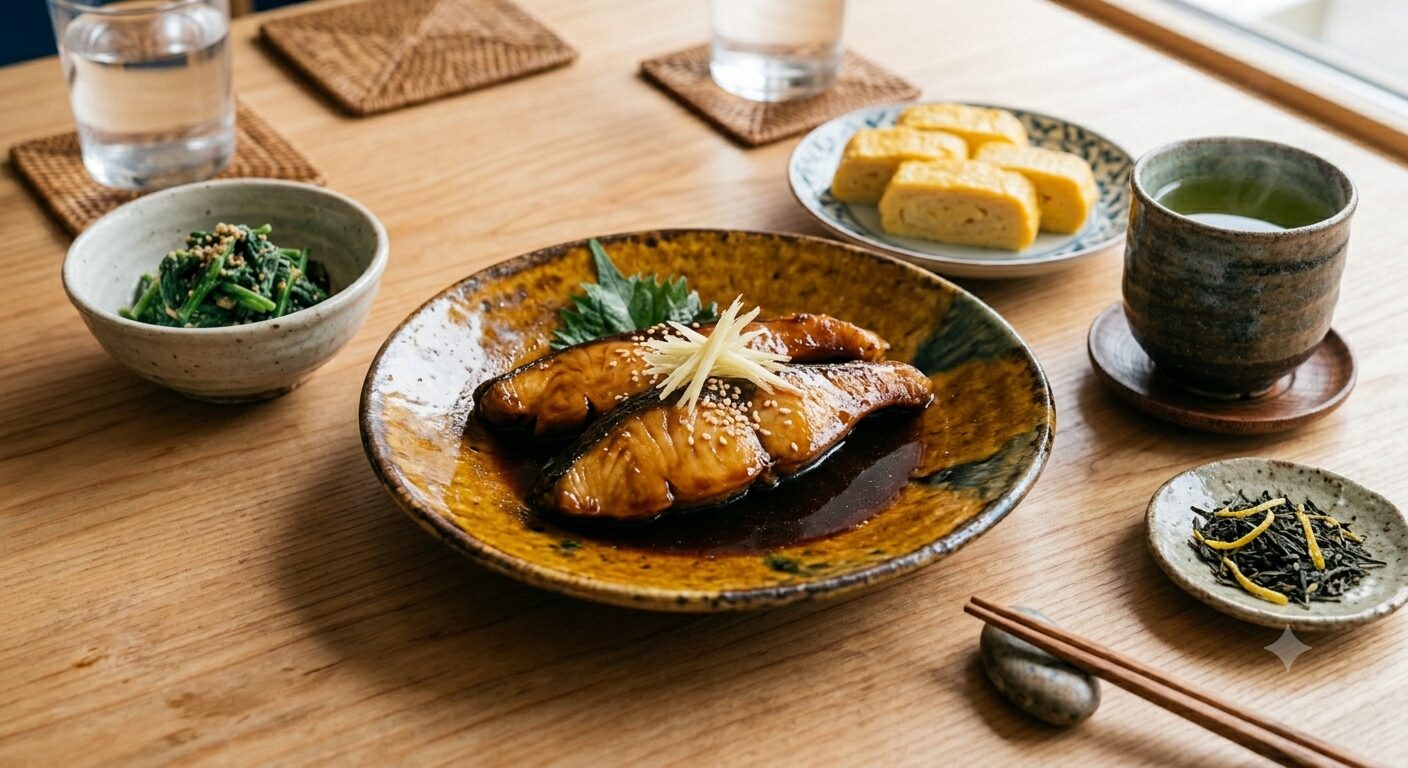
Nitsuke (煮付け) is one of Japan’s most comforting home‑style cooking methods. Fish is gently simmered in a sweet‑savory broth that highlights natural umami while keeping the dish simple and healthy. The sure‑fire basic ratio for nitsuke seasoning is:
Soy sauce : Sake : Mirin = 1 : 1 : 1
This balanced mix creates a glossy, flavorful broth that works with almost any fish. Add ginger for aroma, sugar for sweetness, and simmer until the fish absorbs the seasoning. Nitsuke is easy, reliable, and perfect for showcasing omega‑3 rich fish that support men’s metabolic and cardiovascular health.
One‑Glance Summary
- Saba Nitsuke — Omega‑3 powerhouse; bold flavor; perfect for daily metabolic support.
- Sanma Nitsuke — Very high EPA; deep autumn umami; melts beautifully into Nitsuke broth.
- Iwashi Nitsuke — One of Japan’s highest omega‑3 fish; tender texture; great for anti‑inflammatory benefits.
- Buri Nitsuke — Rich winter fat; high DHA; thick flesh ideal for simmering.
- Tai Ara Nitsuke — Supreme taste; requires chopstick skill; eyeball offers ultimate hidden flavor.
1. Saba (Mackerel) Nitsuke
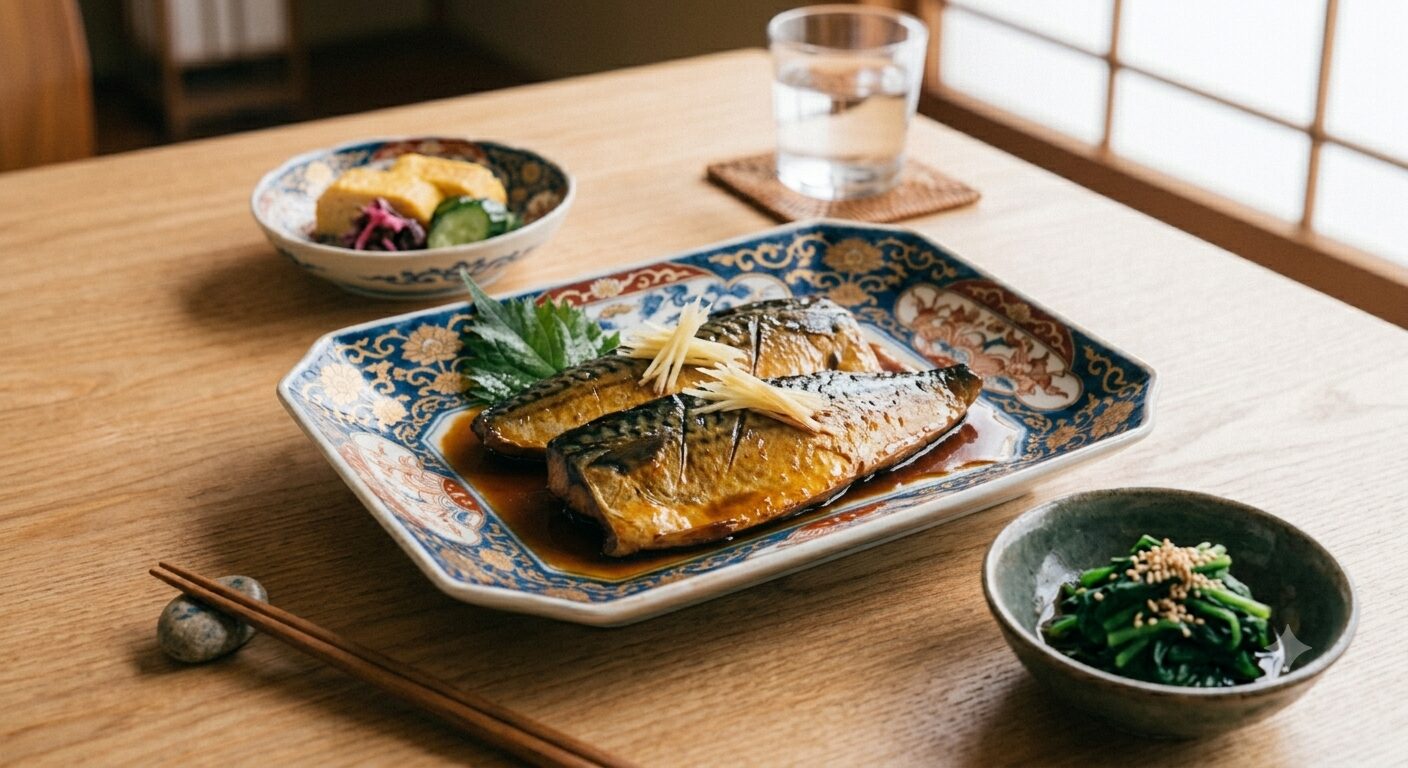
Saba is one of Japan’s richest sources of omega‑3 fatty acids. Its high DHA and EPA content supports metabolic health, reduces inflammation, and helps maintain cardiovascular wellness.Saba’s bold flavor pairs perfectly with nitsuke’s sweet‑savory broth. Its omega‑3 content is among the highest of all Japanese fish.
Benefits:
- Extremely rich in DHA/EPA
- Supports cardiovascular and metabolic health
- Strong flavor suited for simmered dishes
- Affordable and widely available
Key Nutrients
- Omega‑3 (DHA/EPA)DHA/EPA
- Vitamin D
- Protein
- B‑vitamins
Simple recipe:
Simmer saba pieces with 1:1:1 soy sauce, sake, mirin, plus ginger and a little sugar. Cook until the fish becomes glossy and the broth thickens slightly.
2. Sanma (Pacific Saury) Nitsuke
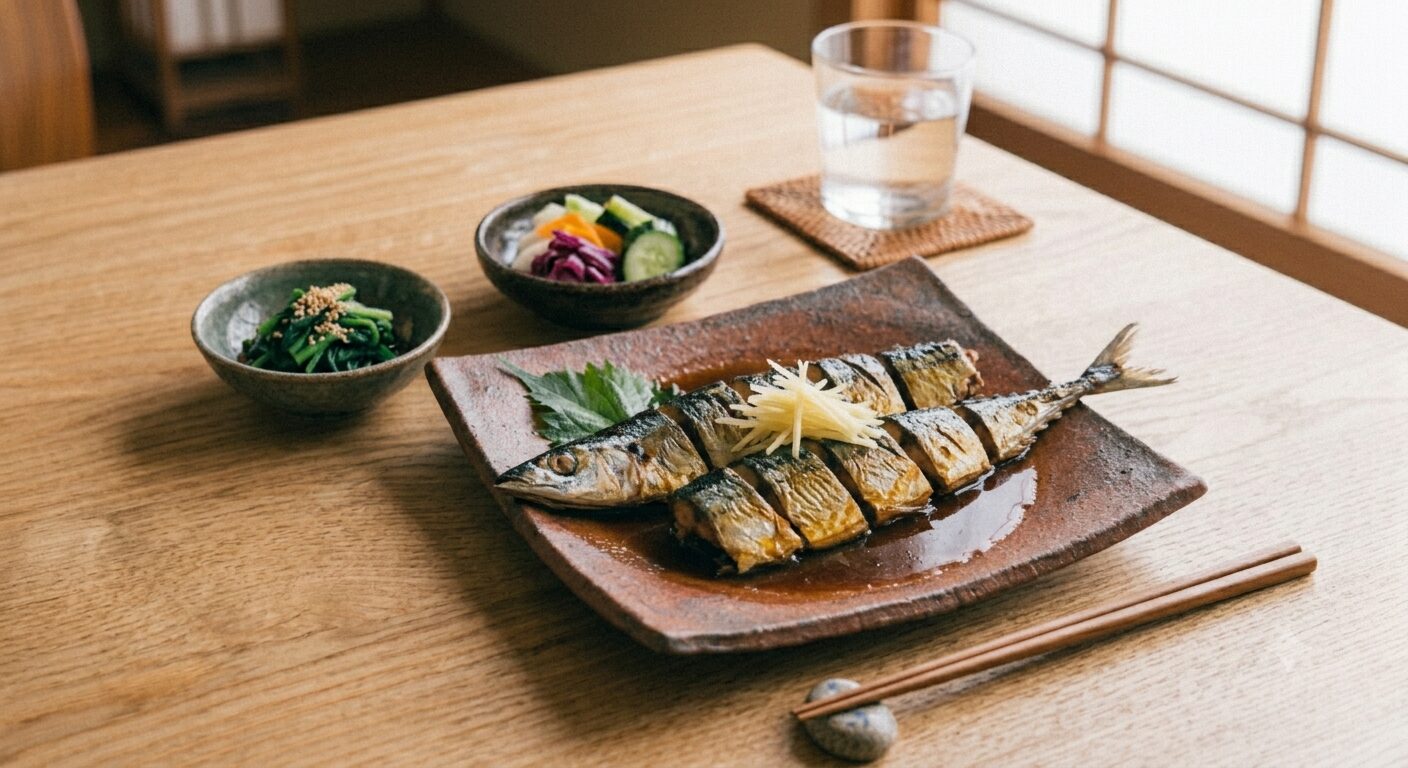
Sanma is another omega‑3 powerhouse, especially in autumn when its fat content peaks.Sanma contains very high levels of omega‑3, especially EPA. Its rich fat melts into the simmering broth, creating deep umami and excellent anti‑inflammatory benefits.
Benefits:
- Very high EPA content
- Seasonal richness (autumn)
- Deep umami when simmered
- Supports inflammation reduction
Key Nutrients
- Omega‑3 (EPA/DHA)
- Protein
- Vitamin B12
- Selenium
Simple recipe:
Slice fresh sashimi‑grade salmon into even pieces, serve chilled with soy sauce and wasabi.
3. Buri (Yellowtail) Nitsuke
Buri is a classic winter fish with high fat content and excellent omega‑3 levels. Winter buri is especially rich in DHA and EPA. Its thick flesh becomes tender and flavorful when simmered, making it ideal for men’s metabolic and hormonal wellness.
Benefits:
- High DHA/EPA
- Rich winter flavor
- Thick flesh perfect for simmering
- Supports metabolic and cardiovascular health
Key Nutrients
- Omega‑3 (DHA/EPA)
- Vitamin D
- Protein
- Vitamin E
Simple recipe:
Serve raw oysters with ponzu, grated momiji‑oroshi, and green onions.
4. Iwashi (Sardine) Nitsuke
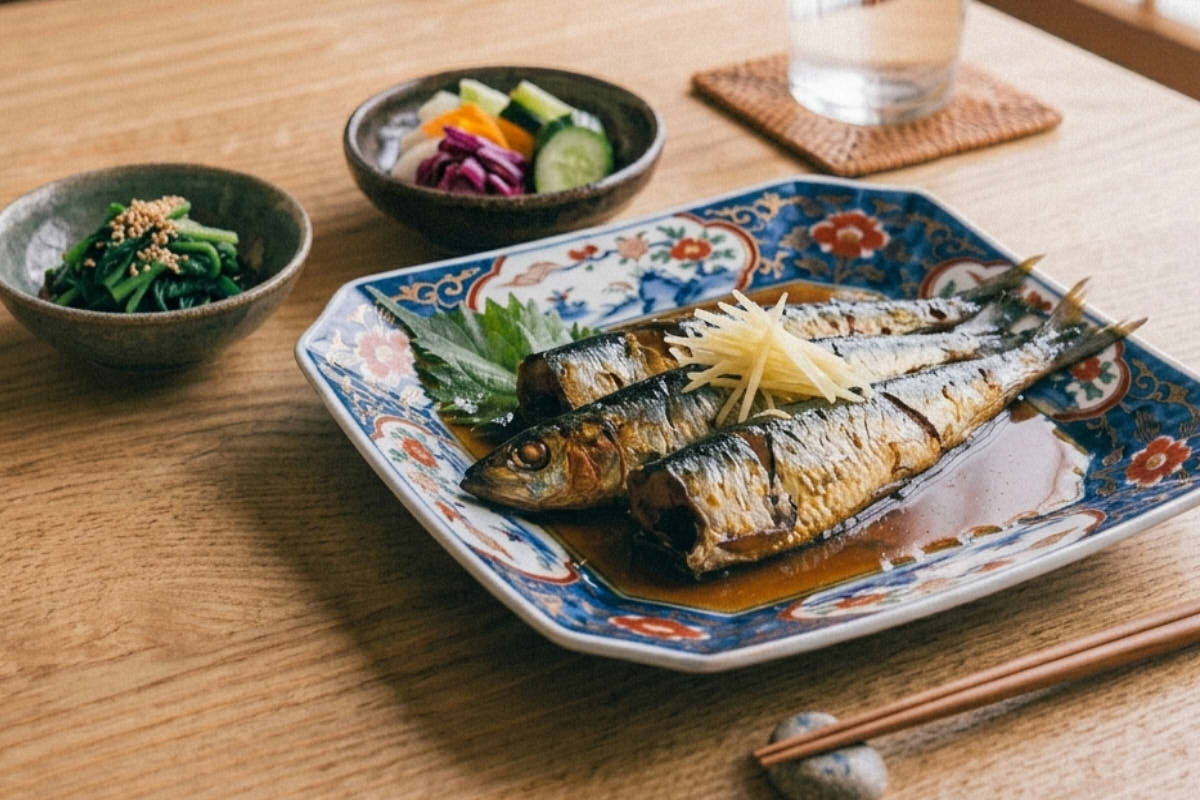
Iwashi is one of the highest omega‑3 fish in Japan, even more than saba in many cases. Iwashi is extremely rich in both EPA and DHA, making it one of the best daily omega‑3 sources. Its soft flesh absorbs seasoning quickly, creating a sweet‑savory dish that supports metabolic and cardiovascular health.
Benefits:
- One of the highest omega‑3 fish
- Soft flesh ideal for simmering
- Affordable and accessible
- Strong anti‑inflammatory profile
Key Nutrients
- Omega‑3 (DHA/EPA)
- Calcium (if cooked with bones)
- Protein
- Vitamin B12
Simple recipe:
Simmer iwashi gently with 1:1:1 soy sauce, sake, mirin, ginger, and sugar. Avoid overcooking to keep the fish tender. Optionally add umeboshi.
5. Tai no Ara no Nitsuke (Red Snapper Head & Collar)
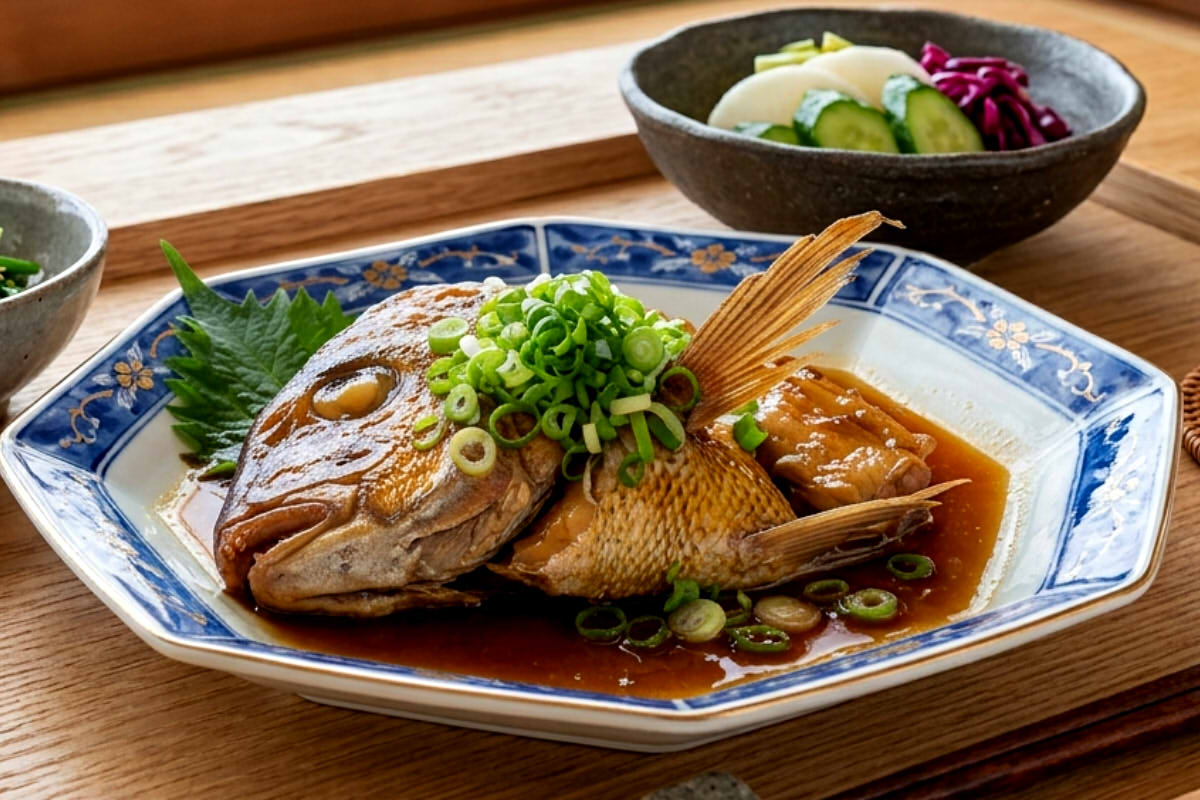
Red snapper (tai) is prized in Japanese cooking for its delicate flavor and celebratory meaning.
Benefits:
- Deep, refined flavor
- Natural gelatin for luxurious texture
- Authentic Japanese “ara” cooking experience
- A dish that rewards skilled chopstick users
Key Nutrients
- Protein
- Collagen/gelatin
- Vitamin B12
- Minerals from bones (calcium, phosphorus)
Tai’s head and collar offer soft, juicy meat and natural gelatin that melt beautifully into the simmering broth. I’m introducing this dish not because of omega‑3, but because it is exceptionally tasty .
The “ara” parts (head, collar, fins, tail) are full of flavor, but they also come with bones, which means you need good chopstick skills to enjoy it properly. Because of this, restaurants often avoid serving ara — not because of taste, but because it’s harder for customers to eat. Taste‑wise, though, it’s absolutely the best of the best.
And I want readers to know this clearly: the eyeball is incredibly delicious. It’s rich, gelatinous, and in my opinion, one of the ultimate hidden flavors in the entire fish. If you love Nitsuke, tai ara is a dish you should try at least once — it’s a deeply Japanese experience that rewards careful eating and appreciation of subtle textures.
Simple recipe:
Rinse the fish head and collar lightly with hot water to remove excess scales and odor. Simmer with soy sauce, mirin, sake, ginger, and sugar until the broth becomes glossy. Spoon the sauce over the fish while cooking to help it absorb flavor. Serve with sliced ginger or blanched spinach.
Leave a Reply