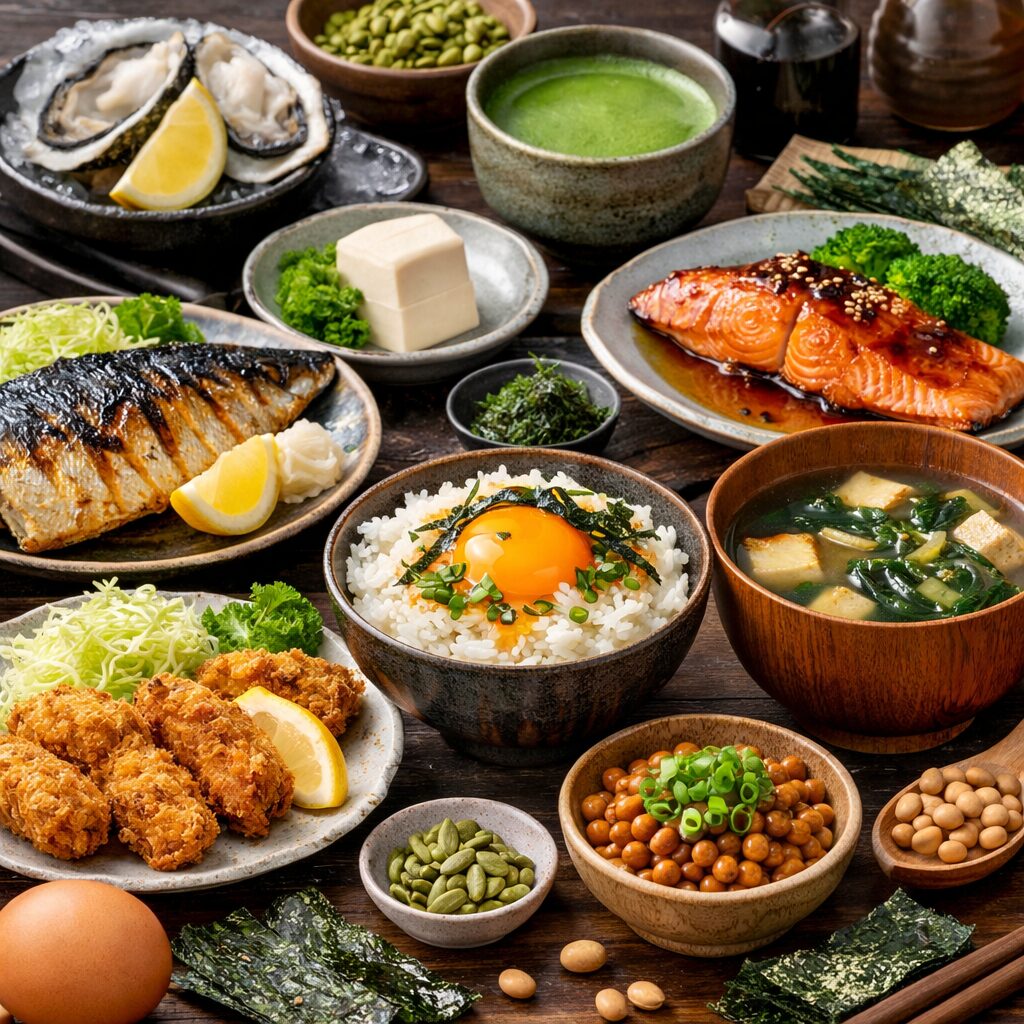
Modern nutrition research highlights several nutrients that play important roles in maintaining healthy testosterone levels — including zinc, vitamin D, omega‑3 fatty acids, magnesium, and healthy fats.
While no single food “boosts” testosterone like a supplement, Japanese cuisine naturally includes many ingredients that support the body systems involved in hormone production, metabolic balance, and overall vitality.
Below are eight Japanese dishes that deliver these nutrients in delicious, traditional ways.
One‑Glance Summary
Key Nutrients
- Zinc
- Vitamin D
- Omega‑3 fatty acids
- Magnesium
- Healthy fats
- Protein
Japanese Foods Rich in These Nutrients
- Saba (mackerel)
- Salmon
- Oysters
- Spinach goma‑ae
- Miso soup with wakame
- Natto
- Eggs
- Matcha
| Nutrient | Why It Matters | Japanese Foods |
|---|---|---|
| Zinc | Supports hormone production | Oysters, natto |
| Vitamin D | Metabolic & hormonal balance | Saba, salmon, eggs |
| Omega‑3s | Cardiovascular & metabolic support | Saba, salmon, sanma |
| Magnesium | Muscle, sleep, metabolic function | Spinach goma‑ae, wakame |
| Healthy fats | Needed for hormone synthesis | Eggs, sesame, salmon |
| Protein | Supports lean muscle mass | Fish, tofu, natto, eggs |
1. Saba Shioyaki — Grilled Mackerel
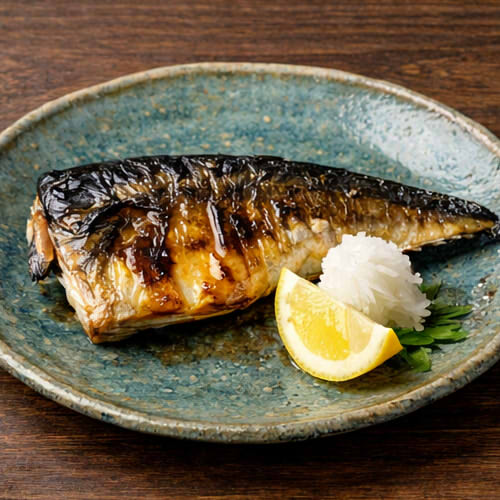
Why it supports men’s health: Saba is one of the richest natural sources of omega‑3 fatty acids, which play a role in metabolic efficiency and may help support testosterone production through reduced inflammation and improved lipid balance
Key Nutrients
- Omega‑3 fatty acids
- Vitamin D
- Protein
Simple recipe:
Salt the fillet, grill until crispy, serve with grated daikon.
2. Salmon — Sashimi
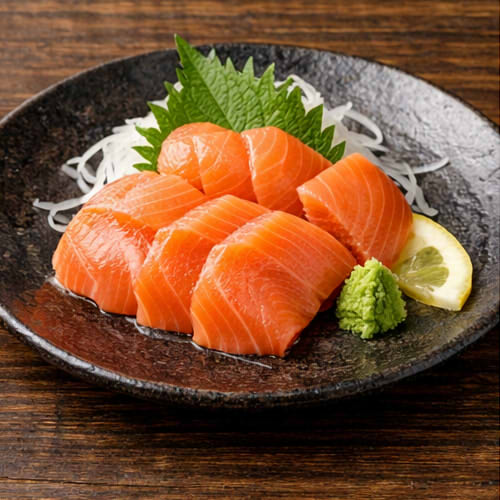
Why it supports men’s health: Salmon sashimi is rich in omega‑3 fatty acids and vitamin D, both associated with supporting men’s metabolic performance and maintaining healthy testosterone levels. Because it’s served raw, you get the nutrients in their purest form without losing anything to cooking.
Key Nutrients
- Omega‑3 fatty acids
- Vitamin D
- Protein
Simple recipe:
Slice fresh sashimi‑grade salmon into even pieces, serve chilled with soy sauce and wasabi.
3. Japanese‑Style Oysters with Ponzu
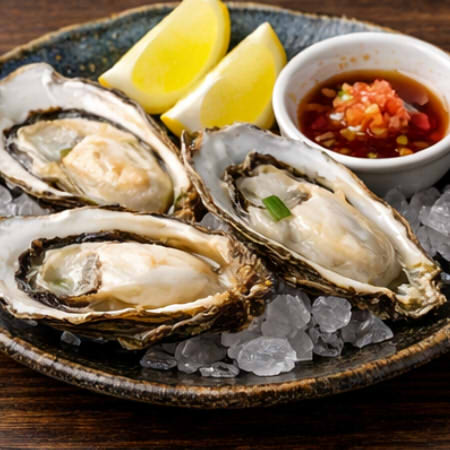
Why it supports men’s health: Oysters are famously high in zinc, a mineral essential for testosterone synthesis and reproductive health.
Key Nutrients
- Zinc
- Protein
- Trace minerals
Simple recipe:
Serve raw oysters with ponzu, grated momiji‑oroshi, and green onions.
4. Spinach Goma‑ae (Sesame Dressing)
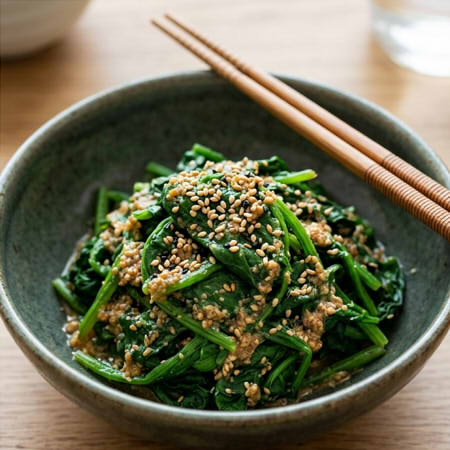
Why it supports men’s health: Spinach provides magnesium, which is associated with testosterone regulation and energy production. Sesame adds healthy fats and minerals.
Key Nutrients
- Magnesium
- Healthy fats
- Plant protein
Simple recipe:
Boil spinach briefly in salted water until just wilted, then drain and cool in cold water. Blanch spinach, squeeze dry, mix with ground sesame seeds, soy sauce, and a touch of sugar.
5. Miso Soup with Wakame
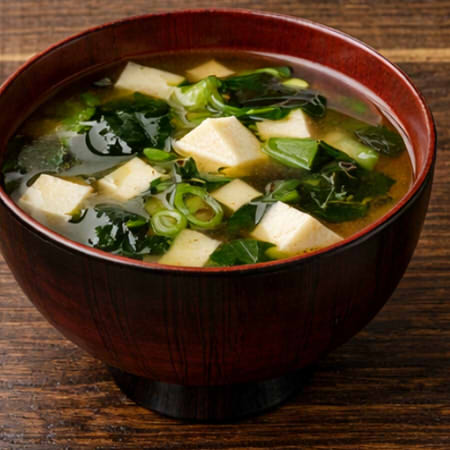
Why it supports men’s health: Miso offers fermented nutrients that support gut health — an important factor in hormonal balance. Wakame adds iodine, which supports metabolic rate.
Key Nutrients
- Iodine
- Magnesium
- Fermented nutrients
Simple recipe:
Combine miso paste, wakame, tofu, and green onions in dashi broth.
6. Natto with Green Onions
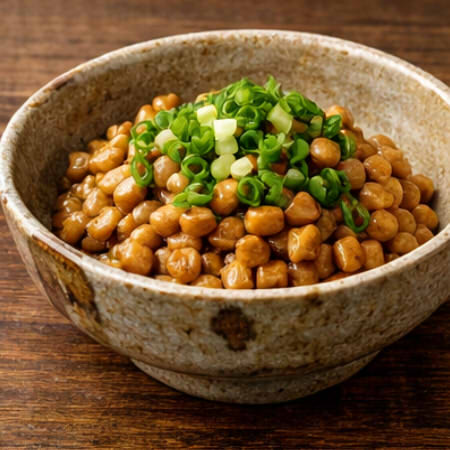
Why it supports men’s health: Natto contains vitamin K2, probiotics, and plant protein. A healthy gut environment is increasingly recognized as supportive of hormonal stability, including testosterone.
Key Nutrients
- Vitamin K2
- Probiotics
- Protein
Simple recipe:
Stir the natto thoroughly until it becomes very sticky and develops plenty of strings — this step enhances flavor and aroma. Add the attached natto sauce packet, or use kombu‑tsuyu if your natto doesn’t include sauce. Mix well, then add chopped green onions. Optionally, top with a fresh egg yolk for richer taste and smoother texture.
7. Tamago‑kake‑gohan (Egg on Rice)
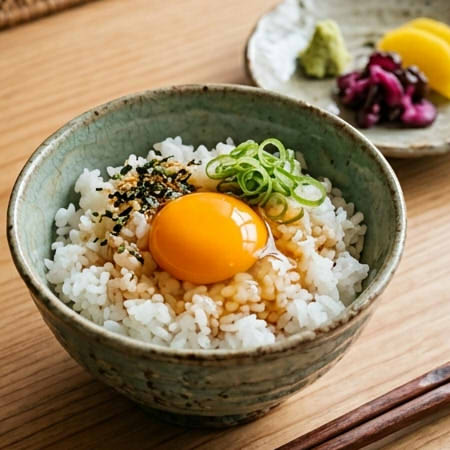
Why it supports men’s health: Tamago‑kake‑gohan is one of Japan’s simplest comfort foods — warm rice mixed with a raw egg. It’s rich in clean protein, healthy fats, and essential nutrients that support men’s metabolic performance and hormonal balance. The combination of warm rice and fresh egg creates a smooth, energizing meal that’s easy to digest.
Key Nutrients
- Protein
- Healthy fats
- Vitamin B12
- Choline
Simple recipe:
Crack a fresh egg over hot steamed rice. Gently mix the egg just enough to combine the yolk and white slightly — avoid over‑mixing so you can enjoy the distinct textures and flavors of the yolk and white. Add a splash of kombu‑tsuyu (or the sauce included with natto packs if you prefer that style). Top with chopped green onions, nori strips, or sesame seeds.
TIPS
- Not mixing until creamy preserves the rich yolk flavor
- The contrast between yolk and white is a key part of TKG’s taste
- Kombu‑tsuyu is a better option than plain soy sauce.
8. Green Tea (Sencha)
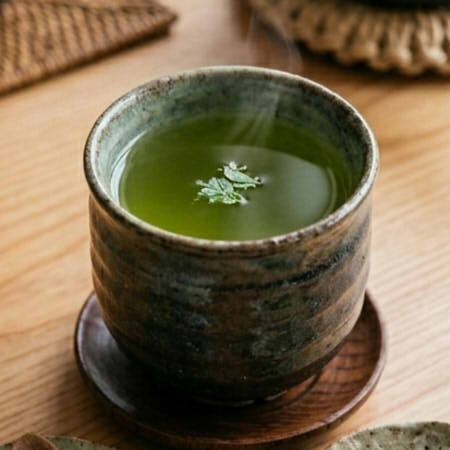
Why it supports men’s health: Sencha is the everyday green tea most Japanese people drink. It’s rich in catechins like EGCG, which support metabolic performance, reduce oxidative stress, and help maintain stable energy levels. The natural balance of caffeine and L‑theanine provides calm focus without overstimulation, making it a great daily drink for men’s wellness.
Key Nutrients
- Catechins (EGCG)
- L‑theanine
- Antioxidants
- Moderate caffeine
Simple recipe:
Use high‑quality sencha leaves. Add hot water around 70–80°C (not boiling) to preserve sweetness and reduce bitterness. Steep for about 1 minute, then pour into a cup. Adjust steeping time depending on your preferred strength.
Leave a Reply