Introduction: A gentle note on miso and rice together
Before we go deeper into miso seasoning or miso‑based okazu, I want to share one small intention behind this post.
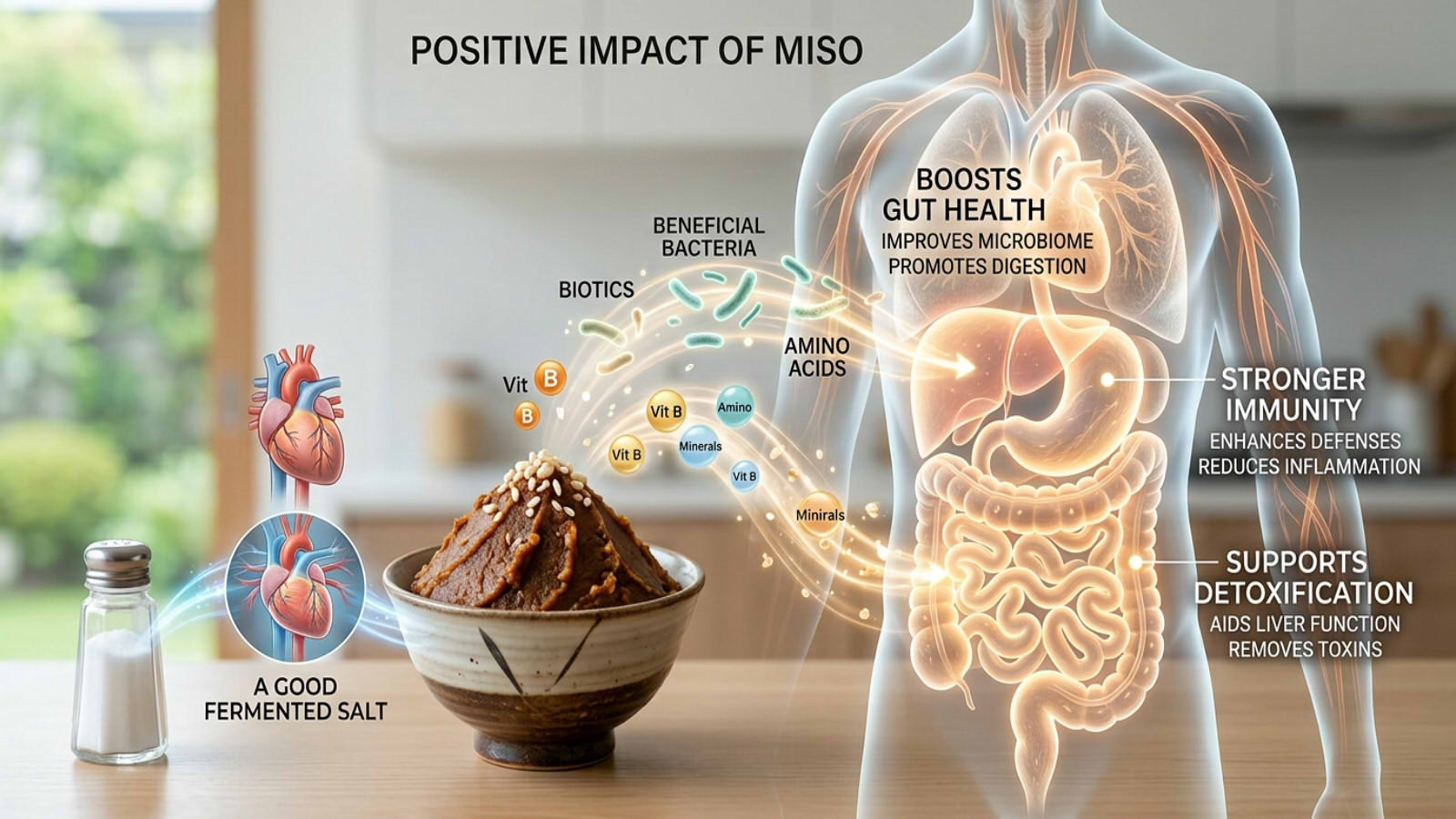
Japanese people have always eaten miso together with white rice, and modern studies show this combination is nutritionally ideal. Soybean fermentation and rice carbohydrates complement each other, forming a complete protein and moderating sodium absorption. This is one reason miso soup feels gentle on the body when enjoyed inside a Japanese meal structure.
I want to mention this softly — not as a rule, but as a natural part of how Japanese food works.
Miso + Rice: A simple structure that makes everyday eating easier
In a past post, I talked about how Japanese meals are built around a very simple rhythm:
- rice
- soup
- okazu
Once you understand this structure, everyday cooking becomes surprisingly easy. You don’t need to redesign the whole meal each time — you only need to decide one okazu.
Rice stays the same. Miso soup stays the same. Only the okazu changes.
This is one of the quiet strengths of Japanese home cooking. It reduces workload, keeps meals balanced, and makes daily eating feel calm and predictable.
And miso soup plays a very important role in this rhythm.
Why miso soup is the first gateway to enjoying Japanese food
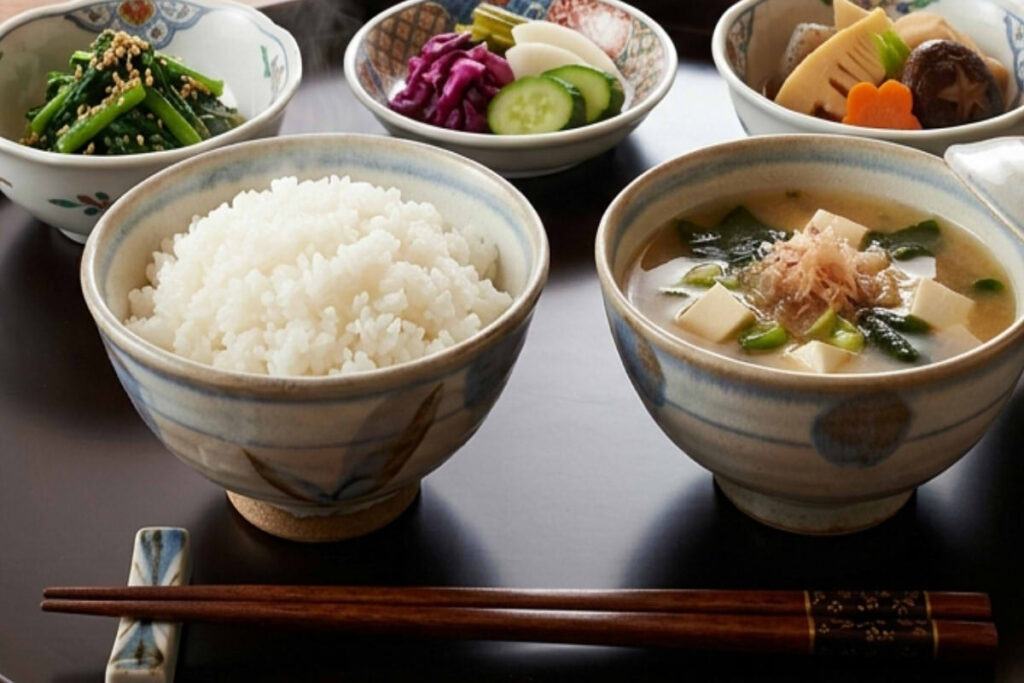
If you’re interested in Japanese food, I truly believe that getting used to white rice + miso soup is the first gateway.
Not because it’s traditional. Not because it’s healthy. But because this combination teaches you how Japanese food feels.
Miso soup gives you:
- a baseline flavor
- a gentle warmth
- a stable anchor for the meal
- a reference point for saltiness and umami
- a calm background that lets okazu shine
Rice gives you:
- balance
- softness
- a neutral space for flavors
- a way to enjoy okazu without overwhelming your palate
Together, they create a foundation that makes every okazu taste better.
This is why I recommended a very simple miso soup in Post2 — it becomes your steady reference point. Once you enjoy this combination, Japanese food becomes much easier and much more joyful.
The nutritional logic (kept light and soft)
I don’t want to make this post too scientific, but I do want to share one small insight.
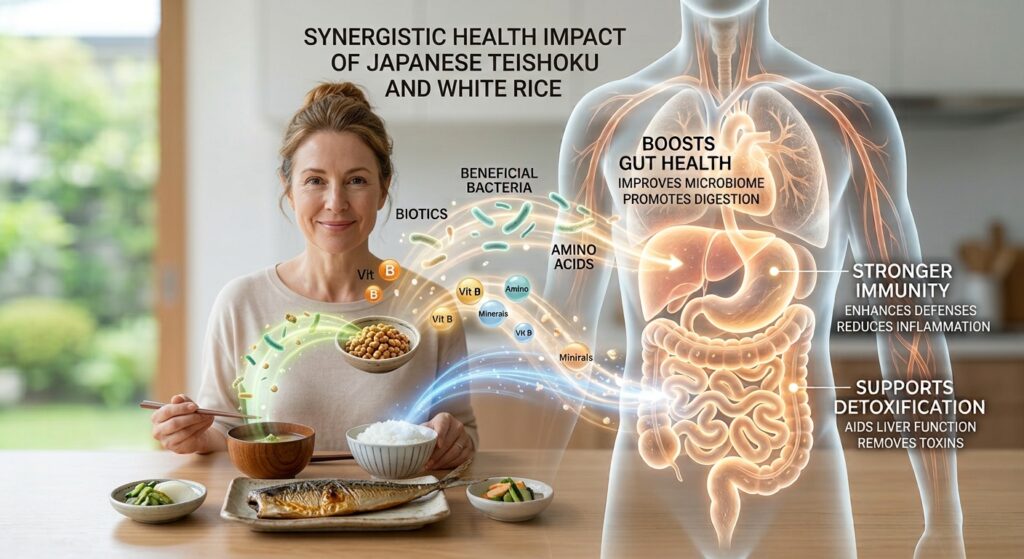
Soybeans (miso) and rice complement each other nutritionally:
- soybeans are rich in lysine
- rice is rich in methionine
Together, they form a complete protein, similar to animal protein.
And when miso is eaten with rice, sodium absorption becomes gentler because:
- rice slows digestion
- rice provides potassium
- rice balances miso’s saltiness
- miso’s fermentation compounds (ACE‑inhibitory peptides, GABA) work more effectively inside a full meal
This is why miso soup feels mild even though miso contains salt.
It’s not magic — it’s the way Japanese meals are designed.
This post completes the foundation of your miso journey
Post1: cultural foundation
Post2: baseline flavor through simple miso soup
Post3 (this post): why miso + rice is healthy, practical, and the true gateway
From here, you can enjoy okazu much more deeply. You can feel subtleness. You can sense balance. You can understand how miso behaves inside a meal.
And if you enjoy these small differences, you will find countless ideas throughout this blog. I write with passion, but I try not to push anything strongly — I simply hope these gentle experiences feel meaningful to you.
This post completes the “foundation” part of the miso series. Next, we move to miso seasoning and okazu, where miso becomes bold, aromatic, and deeply satisfying.
Next in the series
Post 4 — Simple Miso Okazu Designed for Gohan
Leave a Reply